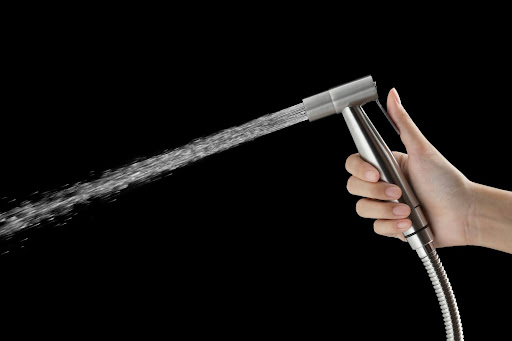
Every modern kitchen, a bustling hub of culinary creativity and daily necessity, relies on a host of unsung heroes. Among them, the kitchen sink spray hose stands out as a remarkably versatile, often overlooked, and undeniably essential component. Imagine, if you will, the seamless washing of dishes, the effortless rinsing of fresh produce, or the quick cleanup of a countertop spill – all facilitated by this unassuming yet incredibly effective tool. Yet, like any diligent workhorse, it is susceptible to wear and tear, eventually manifesting as a frustrating drip, a weakened spray, or even a complete breakdown. Many homeowners, confronted with such a minor domestic crisis, immediately contemplate a costly professional repair or, worse, an entirely new fixture installation, overlooking the surprisingly straightforward path to a DIY solution.
The prospect of tackling a plumbing issue can admittedly feel daunting, conjuring images of overflowing pipes and intricate connections. However, by demystifying the process of repairing a kitchen sink spray hose, we unlock a potent blend of empowerment, financial savings, and a renewed sense of accomplishment. This isn’t merely about mending a leaky hose; it’s about cultivating a proactive approach to home maintenance, fostering self-reliance, and making smart, sustainable choices. Plumbing experts frequently emphasize that minor repairs, when addressed promptly and correctly, prevent escalating problems, ultimately preserving the longevity and efficiency of your entire kitchen system. Embracing this mindset transforms a potential headache into an opportunity for practical skill development and tangible benefits.
Before diving into the specifics of repair, it’s invaluable to understand the landscape of common problems plaguing kitchen spray hoses. Knowing what to look for can significantly streamline your diagnostic process, positioning you for a targeted and efficient fix. From a persistent drip that slowly erodes your patience to a complete loss of water pressure, each symptom points towards a specific underlying cause, often requiring just a few basic tools and a modicum of mechanical curiosity. The benefits of undertaking this repair yourself extend far beyond immediate cost savings, fostering a deeper connection with your home’s infrastructure and building invaluable practical skills for future household challenges.
| Category | Details |
|---|---|
| Common Spray Hose Issues |
|
| Essential DIY Tools |
|
| Benefits of DIY Repair |
|
| Reference for Plumbing Parts | The Home Depot Plumbing Parts & Spray Hoses (Example of a major retailer for parts) |
The Blueprint for a Flawless Fix: A Step-by-Step Approach
Approaching the repair of your kitchen sink spray hose involves a logical sequence of steps, much like a seasoned architect meticulously planning a structure. The first, and arguably most critical, step is always to turn off the water supply to your sink, typically located under the cabinet. This crucial action prevents any unexpected aquatic surprises. Next, meticulously clear out the cabinet beneath the sink, providing ample working space and making access to connections significantly easier. This preparatory phase is not merely about convenience; it’s about setting the stage for an efficient and mess-free repair, preventing frustration before it even begins.
With the water isolated, your investigative journey truly begins. Carefully examine the entire length of the spray hose, paying close attention to any visible cracks, bulges, or signs of corrosion, especially where it connects to the faucet body and the spray head itself. Often, the culprit is a degraded washer or O-ring at a connection point, which can be surprisingly easy to replace. By gently unscrewing the connections using your adjustable wrench or pliers, you can expose these small but vital seals. Replacing them with new, correctly sized counterparts, often available at any hardware store, can restore the integrity of your plumbing system, sealing off leaks with remarkable effectiveness.
Beyond the Basic Fix: Addressing More Complex Scenarios
Sometimes, the issue extends beyond a simple washer replacement. If the hose itself is visibly damaged, frayed, or cracked, a full replacement is the most prudent course of action. This task, while seemingly more involved, is still very much within the realm of the capable DIYer. Most spray hoses are designed for relatively easy replacement, often simply threading through a central opening in the faucet assembly and connecting to a hot or cold water line underneath. When installing a new hose, meticulously apply plumber’s tape to the threads of all connections, ensuring a watertight seal. This small, preventive measure can dramatically extend the life of your repair, safeguarding against future leaks.
For persistent low pressure, the problem frequently lies within the spray head itself, often clogged with mineral deposits accumulated over time. A simple yet incredibly effective solution involves unscrewing the spray head and soaking it in a vinegar solution overnight. This acidic bath expertly dissolves limescale and other buildup, restoring the powerful spray you once enjoyed. Reassembling everything in reverse order, ensuring all connections are snug but not overtightened, culminates in the final, satisfying step: slowly turning the water supply back on and carefully checking for any lingering drips. A successful repair offers not just a functional kitchen component, but a profound sense of self-sufficiency.
Empowering Your Home, One Repair at a Time
The journey from a frustrating leaky kitchen sink spray hose to a fully functional, efficient one is a testament to the power of proactive home management. By taking a few moments to understand the mechanics, gather the right tools, and follow a systematic approach, you not only save money but also contribute to a more sustainable lifestyle by extending the life of your appliances. The home improvement industry is increasingly recognizing the value of empowering homeowners with practical skills, fostering a culture where repair is celebrated over immediate replacement. This optimistic outlook encourages individuals to view household challenges not as insurmountable obstacles, but as opportunities for growth and self-reliance.
Ultimately, repairing your kitchen sink spray hose is more than just a chore; it’s an investment in your home’s future and your own capabilities. It’s a small but significant step towards becoming a more informed, capable, and confident homeowner, ready to tackle the next challenge with newfound expertise. So, the next time that spray hose acts up, remember: the solution is often simpler than you think, waiting for your willing hands to bring it back to life, ensuring your kitchen remains the vibrant, functional heart of your home.