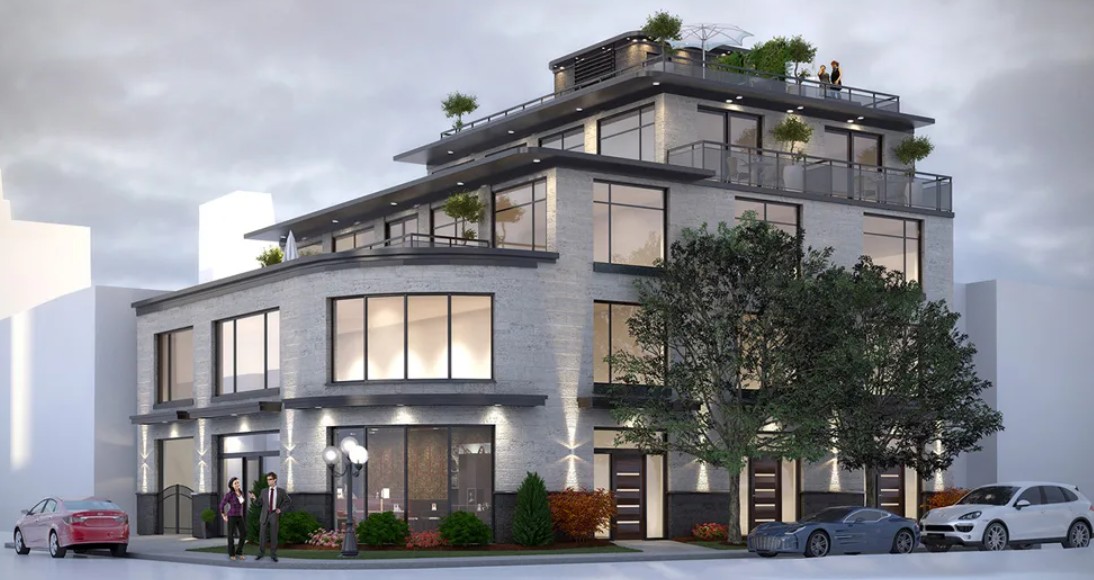
3D Rendering Pricing: How to Estimate the Cost of Architectural Visualization
3D rendering has become an essential tool in architecture, real estate development, interior design, and product presentation. High-quality visualizations allow professionals to showcase projects before construction or manufacturing begins, helping clients understand design concepts and make informed decisions. However, the cost of rendering services can vary significantly depending on the complexity of the project, the required level of detail, and the production timeline. Understanding how pricing works helps businesses plan their budgets and select suitable visualization services.
What Influences 3D Rendering Costs?
The price of professional 3D visualization is rarely fixed. Each project involves different technical requirements, creative challenges, and production resources.
Several factors typically determine the final cost:
-
Project complexity. A simple interior scene generally requires less work than a detailed architectural development featuring multiple buildings, landscaping, and surrounding infrastructure.
-
Level of realism. Photorealistic rendering involves careful attention to materials, lighting, reflections, textures, and environmental details.
-
Number of images. Projects requiring several camera angles or alternative design concepts may involve additional production time.
-
Model availability. Existing 3D models can reduce preparation work, while creating detailed geometry from architectural drawings requires additional resources.
-
Delivery deadlines. Urgent projects may require additional production capacity and therefore cost more.
Understanding these variables makes it easier to compare quotations from different visualization studios.
Architectural Rendering Pricing Explained
Architectural visualization is widely used by property developers, architects, and real estate marketing agencies. It helps transform technical drawings into realistic representations of buildings and environments.
Exterior rendering projects may include residential properties, commercial developments, office buildings, or large urban complexes. Interior visualization focuses on furniture, materials, lighting, room layouts, and decorative details.
For businesses planning architectural visualization projects, understanding rendering pricing is essential for managing budgets and selecting the right service provider. The final cost depends on several factors, including project complexity, the level of photorealism, the number of images required, and delivery deadlines. Companies can explore detailed information about rendering pricing to better understand the factors that influence visualization costs and prepare for their upcoming projects.
Different Types of 3D Visualization
Interior Rendering
Interior visualization allows designers and property developers to present residential and commercial spaces before renovation or construction.
These projects often require accurate furniture placement, realistic surface materials, decorative elements, and natural lighting simulations. The amount of customization and the complexity of the environment can affect production costs.
Exterior Rendering
Exterior visualization presents buildings within their surrounding environments. It may include architectural structures, landscaping, vehicles, pedestrians, and realistic atmospheric conditions.
Large developments typically require more extensive modeling and scene preparation than individual residential buildings.
Product Rendering
Product visualization is commonly used in advertising, e-commerce, and industrial design. It enables companies to create realistic product images without organizing traditional photography sessions.
Pricing depends on product geometry, materials, the number of variations, and the required visual presentation.
How to Optimize Your Rendering Budget
Businesses can control visualization expenses without necessarily sacrificing image quality. Careful project preparation is often the most effective way to avoid unnecessary production costs.
Consider the following recommendations:
-
Prepare a detailed brief. Provide architectural drawings, reference images, material specifications, and examples of the desired visual style.
-
Define the required camera angles. Determine how many images are necessary for presentations, marketing campaigns, or client approvals.
-
Finalize major design decisions early. Significant changes to layouts, geometry, or materials can increase production time.
-
Establish realistic deadlines. Allow sufficient time for modeling, lighting, rendering, and revisions.
-
Clarify revision policies. Confirm which adjustments are included in the quotation and which may incur additional fees.
These steps help visualization teams estimate workloads more accurately and reduce misunderstandings during production.
Why Professional 3D Rendering Is Worth Considering
Professional visualization offers benefits beyond creating attractive images. It can support design reviews, improve communication between project stakeholders, and provide marketing materials before physical construction is completed.
For real estate developers, realistic architectural images can help potential buyers understand the appearance and atmosphere of future properties. Interior designers can use visualizations to compare materials and layouts, while manufacturers can present products in different finishes and environments.
Although pricing remains an important consideration, choosing a visualization provider solely on the lowest quotation may not produce the best results. Portfolio quality, communication, technical expertise, and reliability should also influence the decision.
Choosing the Right Visualization Service
Before selecting a rendering studio, businesses should evaluate previous projects, discuss technical requirements, and request a clear breakdown of the proposed services.
A well-structured quotation should explain the expected deliverables, production schedule, number of revisions, and any additional services included in the project.
Ultimately, understanding 3D rendering costs helps companies balance visual quality, project requirements, and available budgets. With proper planning and clear communication, architectural visualization can become a valuable part of both the design process and a broader marketing strategy.