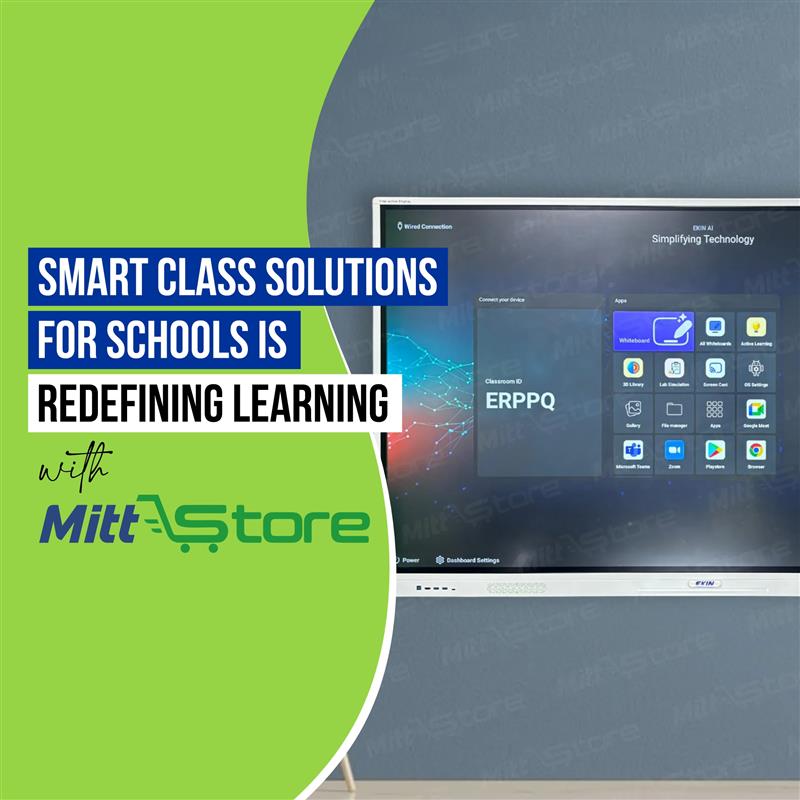
In an era characterized by unprecedented technological advancement and an insatiable demand for innovation, the traditional classroom, with its static whiteboards and textbook-centric pedagogy, is rapidly transforming․ We stand at the precipice of an educational renaissance, a paradigm shift where learning transcends physical boundaries and becomes an incredibly dynamic, personalized, and deeply engaging experience․ This profound evolution isn’t merely an upgrade; it represents a fundamental rethinking of how knowledge is imparted and assimilated, forging a path towards truly preparing future generations for an increasingly complex world․
At the heart of this transformative movement lies the “smart class” – an integrated ecosystem of cutting-edge digital tools, interactive methodologies, and data-driven insights meticulously designed to foster a more immersive and effective learning environment․ Far from being a mere collection of gadgets, a smart class seamlessly blends hardware like interactive flat panels and virtual reality headsets with sophisticated software, including adaptive learning platforms and robust learning management systems․ This innovative convergence empowers educators to deliver content in incredibly compelling ways, captivating student attention and significantly enhancing comprehension through vibrant visuals and collaborative activities, ultimately cultivating a generation of critical thinkers and problem-solvers․
Key Pillars of the Smart Class Ecosystem
| Feature | Description | Core Benefit |
|---|---|---|
| Interactive Displays | Large touchscreens, interactive whiteboards, and projectors that allow for dynamic content manipulation․ | Enhances visual learning, fosters collaboration, and makes lessons more engaging and memorable․ |
| Digital Content & Resources | Access to e-books, multimedia presentations, educational videos, simulations, and virtual labs․ | Provides a vast, constantly updated library of engaging materials, promoting deeper understanding and exploration․ |
| Learning Management Systems (LMS) | Platforms (e․g;, Canvas, Moodle, Google Classroom) for assignment distribution, communication, and progress tracking․ | Streamlines administrative tasks, facilitates seamless communication, and offers personalized learning paths․ |
| Adaptive Learning Software | AI-powered tools that adjust content and pace based on individual student performance and learning style․ | Personalizes education, addresses individual learning gaps effectively, and maximizes student potential․ |
| Robust Connectivity & Devices | High-speed internet, networked computers, tablets, and mobile devices integrated into the learning process․ | Enables instant access to global information, supports blended learning models, and promotes digital literacy․ |
| Assessment & Analytics Tools | Digital tools for real-time quizzes, performance tracking, and data analysis to inform instruction․ | Offers immediate feedback, identifies areas for improvement, and empowers data-driven pedagogical decisions․ |
For further insights into educational technology trends, visit EdTech Magazine․
The impact of smart classes on student engagement is nothing short of revolutionary․ Gone are the days of passive absorption; instead, students become active participants in their educational journey․ By integrating insights from AI-driven analytics, educators can meticulously tailor curricula to individual learning styles and paces, ensuring that no student is left behind while simultaneously challenging those who are ready to soar ahead․ This personalized approach, augmented by gamified learning experiences and virtual field trips, cultivates a genuine love for discovery, transforming daunting subjects into captivating adventures, thus profoundly impacting long-term academic success․
For educators, the smart class represents an incredibly powerful suite of tools, significantly enhancing their pedagogical capabilities․ Teachers, often overburdened with administrative tasks, find newfound efficiencies through automated grading and real-time performance tracking offered by integrated platforms․ Moreover, access to a wealth of digital resources empowers them to craft more dynamic and relevant lessons, moving beyond rote memorization to foster critical thinking and creativity․ The ability to collaborate with peers globally and share best practices further elevates the teaching profession, creating a vibrant community of lifelong learners committed to excellence․
Leading educational institutions and forward-thinking governments globally are already embracing the smart class paradigm, witnessing tangible improvements in student outcomes and teacher satisfaction․ From bustling metropolitan schools in Singapore leveraging augmented reality for science lessons to rural academies in Finland employing interactive whiteboards for collaborative problem-solving, the evidence is compelling․ While initial investments in technology and ongoing professional development for faculty are crucial considerations, the long-term dividends – a more educated, adaptable, and innovative workforce – undeniably outweigh these expenditures․ The future of learning is not just about technology; it’s about strategically employing these powerful tools to unlock humanity’s full intellectual potential․
Looking ahead, the trajectory of smart class technology points towards even more immersive and seamlessly integrated experiences․ Imagine classrooms powered by sophisticated holographic displays, where students can interact with 3D models of complex biological structures or historical artifacts with astonishing realism; Picture AI tutors providing instant, personalized feedback, acting as invaluable supplements to human instruction․ This isn’t science fiction; it’s the near future, a future where education is not merely imparted but experienced, where curiosity is ignited, and where every learner is empowered to reach their highest potential, brilliantly navigating the complexities of tomorrow’s world․ The smart class isn’t just a trend; it’s the indispensable bedrock of modern education, propelling us towards a brighter, more intelligent tomorrow․