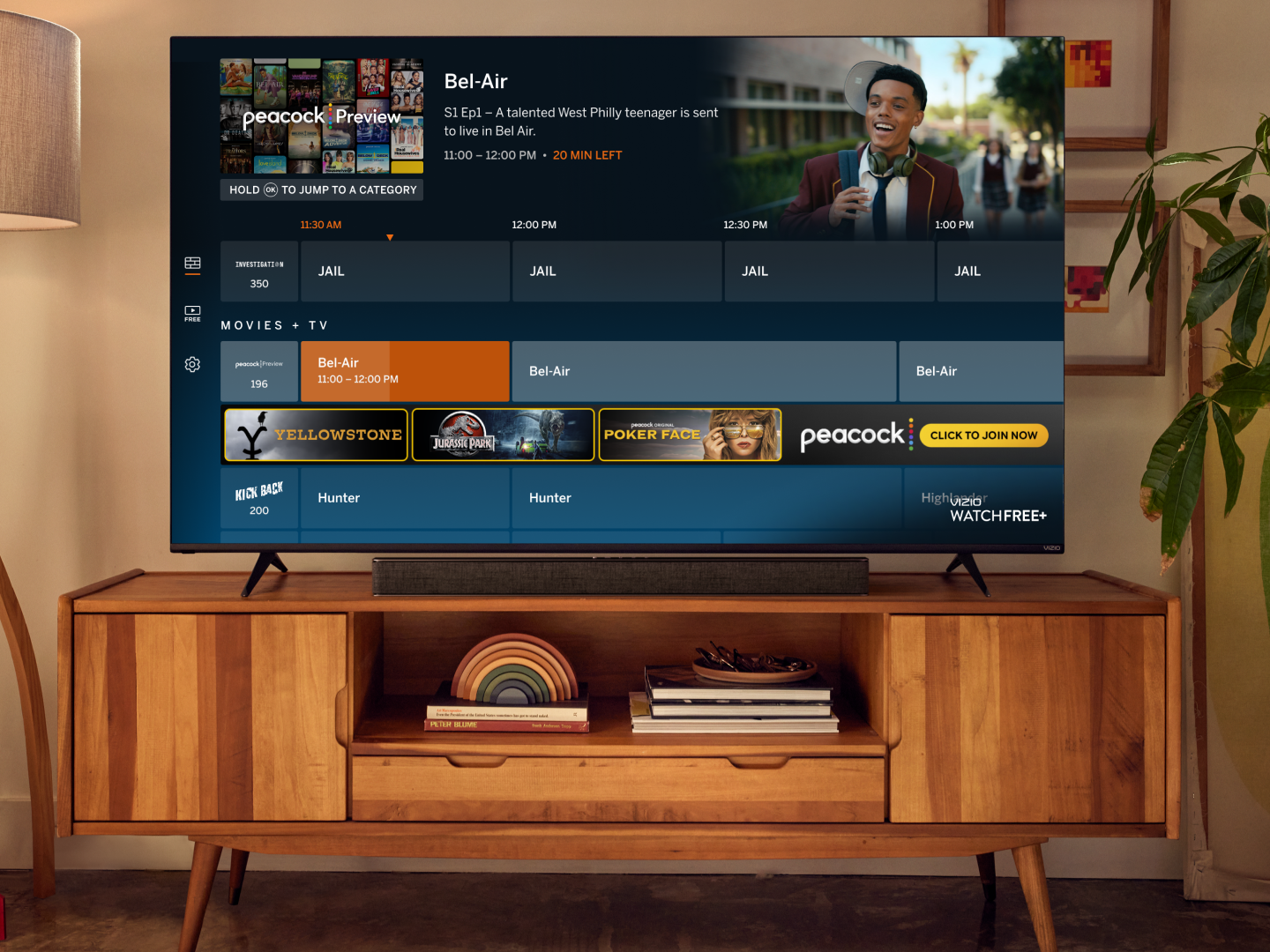
In an era dominated by streaming giants and on-demand content, a curious question continues to echo through living rooms worldwide: do you need an aerial with a Smart TV? This isn’t just a technical query; it’s a fascinating glimpse into the evolving landscape of home entertainment, where cutting-edge digital platforms coexist, sometimes uneasily, with time-honored broadcast traditions. The ubiquitous Smart TV, a marvel of modern engineering, promises a world of internet-powered content at your fingertips, yet the humble aerial, a relic for some, remains a remarkably relevant device for millions seeking reliable, local, and often free television programming.
Navigating this dual reality requires a deeper understanding of how these technologies converge and diverge. While your Smart TV is inherently designed for seamless internet connectivity, unlocking a universe of apps, movies, and series, its ability to receive traditional over-the-air (OTA) broadcast channels hinges entirely on its integrated tuner and, crucially, the presence of a functional aerial. This fundamental distinction often surprises consumers, who, captivated by the allure of endless streaming, might overlook the enduring value and distinct advantages offered by local terrestrial broadcasts. By integrating insights from industry experts and examining current consumption trends, we can confidently assert that the decision isn’t about one replacing the other, but rather about crafting a personalized, robust entertainment ecosystem tailored to individual preferences and needs.
For clarity and context, here’s a breakdown of the key components shaping your modern viewing experience:
| Category | Description / Information |
|---|---|
| What is a Smart TV? | A television set with integrated internet connectivity and an operating system, allowing access to streaming services, web browsing, apps, and often featuring voice control and smart home integration. It typically supports Wi-Fi and Ethernet. |
| What is an Aerial (Antenna)? | A device designed to receive over-the-air (OTA) broadcast signals for free-to-air television channels. These signals are transmitted terrestrially from local towers and do not require an internet connection or subscription. |
| Core Functionality: Smart TV | Primarily internet-dependent; delivers on-demand content (Netflix, YouTube, Disney+), web browsing, and app ecosystem. Requires a broadband connection for full functionality. |
| Core Functionality: Aerial | Primarily broadcast-dependent; delivers live, scheduled television (e.g., Freeview in the UK, ATSC in North America, DVB-T2 in Europe). No internet required, just a signal from a transmitter. |
| Hybrid Approach Benefits | Combining both ensures access to a vast array of streaming content AND reliable, free-to-air local news, sports, and emergency broadcasts, providing redundancy and choice without recurring subscription fees for basic channels. |
| Official Reference | FreeTV.ie: What is a Smart TV? (Example of a reliable source discussing TV technology) |
The Enduring Relevance of the Aerial in a Streaming World
Despite the undeniable allure of streaming, the aerial’s place in the modern home remains surprisingly robust. For many, particularly those prioritizing local news, live sports, or simply wishing to avoid monthly subscription fees, the aerial is an incredibly effective and cost-efficient gateway to a wealth of content. Think of it as the bedrock of your entertainment foundation, providing essential, stable programming even when your internet connection falters. Industry giants like Samsung and LG continue to equip their Smart TVs with integrated digital tuners (like DVB-T2 or ATSC 3.0), acknowledging this persistent demand for broadcast reception.
Moreover, the quality of digital terrestrial television (DTT) has dramatically improved, offering high-definition broadcasts that rival, and sometimes surpass, streaming quality, especially in areas with strong signals. This isn’t merely about legacy; it’s about a resilient, publicly accessible medium that plays a vital role in communication and community. “While streaming offers unparalleled choice, broadcast television provides an essential public service, delivering critical information and local content without dependency on internet infrastructure,” explains Dr. Evelyn Reed, a media technology analyst. This perspective underscores the aerial’s role as a reliable, independent conduit to information, a crucial factor often overlooked in our hyper-connected world.
Crafting Your Ultimate Viewing Experience: The Hybrid Future
The most forward-looking approach for today’s consumer involves embracing a hybrid model, cleverly blending the best of both worlds. Imagine watching a live football match on a crystal-clear broadcast channel via your aerial, then seamlessly switching to a Netflix documentary or a YouTube tutorial using your Smart TV’s internet capabilities. This integrated strategy maximizes your entertainment options, offering unparalleled flexibility and resilience. By leveraging both an aerial and a robust internet connection, you are not just consuming content; you are curating a dynamic, future-proof entertainment hub that adapts to your every mood and need.
Ultimately, the question of whether you need an aerial with a Smart TV isn’t a simple yes or no; it’s an opportunity to optimize your viewing landscape. For those desiring access to free local channels, emergency broadcasts, and a dependable alternative to internet-dependent services, the aerial remains an indispensable companion to your Smart TV. As technology continues its relentless march forward, promising ever more immersive and personalized experiences, the intelligent integration of diverse media platforms will undoubtedly define the future of home entertainment, ensuring that viewers are always empowered with choice and connectivity.