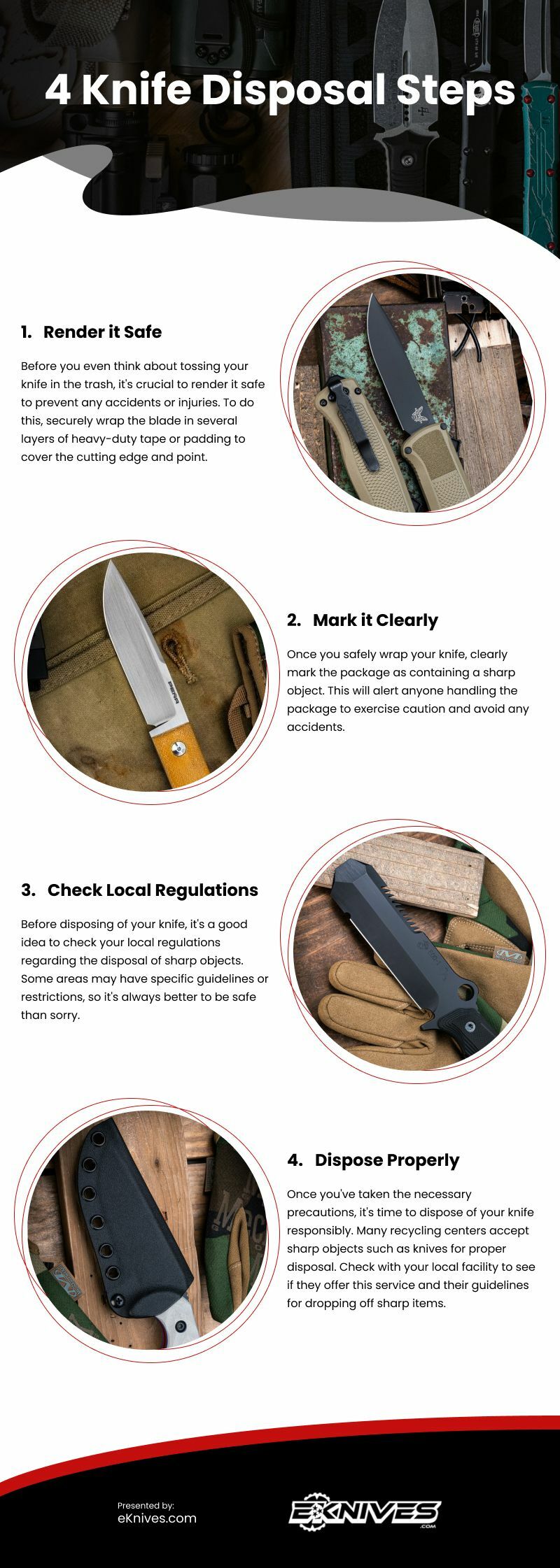
The kitchen, a vibrant hub of culinary creation, often holds secrets within its bustling confines․ Among them, tucked away in drawers or knife blocks, are the silent remnants of countless meals: old kitchen knives; These trusty companions, once gleaming and incredibly sharp, eventually succumb to wear, their edges dulled, their handles worn beyond comfortable use․ But what becomes of these retired instruments, having served their purpose with steadfast loyalty? Far too often, they’re relegated to a precarious fate, haphazardly tossed into the nearest trash bin, posing unforeseen dangers to waste handlers and the environment alike․ This seemingly innocuous act, however, carries a weight of responsibility often overlooked, shaping a critical conversation about safety, sustainability, and informed disposal in our modern homes․
Indeed, the casual dismissal of old kitchen knives isn’t merely a minor oversight; it’s a significant hazard within our waste stream, demanding immediate attention․ Imagine the potential risk: a sanitation worker, diligently collecting refuse, encountering a sharp blade concealed within a plastic bag or a flimsy cardboard box․ Such encounters regrettably lead to thousands of injuries annually, a stark reminder of the hidden perils lurking in our everyday waste, impacting real lives․ Beyond immediate physical danger, the environmental impact is also considerable․ Metal, a valuable resource, sits languishing in landfills for centuries when it could be recycled, contributing meaningfully to a burgeoning circular economy․ This pervasive issue compels us to embrace more thoughtful and sustainable practices, moving proactively towards a safer future․
Navigating the best way to dispose of old kitchen knives can be complex․ Here’s a quick reference guide to help you make informed, safe, and sustainable choices․
| Disposal Method | Description & Safety Tips | Pros | Cons/Considerations |
|---|---|---|---|
| Safe Household Trash | Wrap blades securely in several layers of cardboard, tape extensively with strong duct tape, and place in a puncture-proof container (e․g․, an old detergent bottle) before bagging․ Label clearly “SHARP OBJECTS․” | Widely accessible, simple for duller knives when other options are unavailable․ | Still risks injury if not properly secured; not environmentally ideal for metal․ |
| Metal Recycling Centers | Locate local scrap metal recyclers․ Call ahead to confirm they accept knives and inquire about specific drop-off procedures for sharp objects, ensuring they are pre-wrapped․ | Environmentally friendly, repurposes valuable materials, contributing to sustainability․ | Requires transportation, specific center acceptance, and careful handling․ |
| Donation/Repurposing | If still sharp and usable after sharpening, consider donating to charities, culinary schools, or even local crafters who can repurpose the metal for art or tools․ | Extends product life, benefits others, significantly reduces waste․ | Only suitable for knives in good, functional condition; requires finding suitable recipients․ |
| Retailer Take-Back Programs | Some kitchenware stores or knife manufacturers are increasingly offering programs to take back old knives for safe disposal or recycling when customers purchase new ones․ | Convenient, often ensures proper handling by experts with industry knowledge․ | Limited availability, depends on specific retailer policy and location․ |
| Professional Sharpeners/Services | Many professional knife sharpeners or specialized waste disposal companies can handle old knives, often for a small fee, guaranteeing safe and responsible disposal․ | Guaranteed safe and responsible disposal by trained professionals․ | May incur costs, availability varies by region and service provider․ |
For more detailed local guidance and specific collection points, consult your municipal waste management website or contact your local recycling authority․
Embracing a Culture of Care
Adopting a proactive stance on knife disposal transforms a potential hazard into an opportunity for responsible citizenship․ The journey truly begins with prioritizing safety, always․ Before considering any disposal method, every blade must be rendered safe, protecting hands and mitigating risks․ This means firmly wrapping the entire blade, from tip to bolster, in several layers of thick cardboard, secured with ample duct tape․ Some experts, like those at the Solid Waste Association of North America, even recommend placing the wrapped knife inside a sturdy, puncture-proof container, like an old detergent bottle, before sealing it shut․ This meticulously executed preparation is not just a mere suggestion; it is an absolute imperative, safeguarding those who handle our waste and preventing regrettable, entirely avoidable accidents․
Once safety is assured, a spectrum of environmentally conscious options opens up, moving us beyond the default landfill destination․ For knives that are still in decent, albeit dull, condition, repurposing or donation represents a remarkably effective solution․ Many culinary schools, community kitchens, or even local craftspeople, often seek out robust, if slightly used, kitchen tools for training or material․ Imagine an old chef’s knife, having served its primary purpose with distinction, finding a new life in the hands of an aspiring student or being artistically transformed into a unique piece of metal art․ This circular approach not only reduces waste but also fosters community support and creativity, weaving a vibrant tapestry of shared resources and sustainable practices․
When donation isn’t feasible, professional recycling offers a vital pathway․ Many municipalities operate scrap metal recycling facilities where knives, properly secured, can be dropped off with minimal fuss․ By integrating insights from local waste management authorities, individuals can easily locate these crucial centers, ensuring that the valuable steel in their old knives is melted down and reborn into new products․ This process dramatically lessens the demand for virgin resources, contributing significantly to a more sustainable industrial ecosystem․ Furthermore, an increasing number of kitchenware retailers are now initiating take-back programs, accepting old knives for responsible disposal or recycling when customers purchase new ones, reflecting a growing industry commitment to cradle-to-grave product stewardship and consumer convenience․
Forging a Sustainable Future
The seemingly simple act of discarding an old kitchen knife is, in fact, an opportunity to demonstrate profound responsibility and thoughtful engagement with our material world․ Moving beyond outdated habits, we can collectively embrace practices that prioritize safety, champion sustainability, and actively contribute to a healthier planet for generations to come․ Every carefully wrapped blade, every recycled piece of steel, every donated tool, paints a vivid picture of a future where mindful consumption and thoughtful disposal are not mere aspirations but ingrained, everyday aspects of our daily lives․ Let us forge ahead, transforming a mundane chore into a powerful statement of environmental stewardship, one blade at a time, creating a legacy of responsibility and innovation․