The culinary heart of your home‚ a sanctuary of gastronomic delight and shared moments‚ can sometimes feel under siege. We’ve all experienced it: those minuscule‚ persistent invaders buzzing around fruit bowls‚ lingering near sinks‚ or seemingly materializing out of thin air. These aren’t just minor nuisances; small flies in the kitchen represent a persistent challenge‚ threatening the hygiene and serenity of our most cherished space. Their presence can be incredibly frustrating‚ transforming a perfectly clean environment into a battleground against unseen enemies. But fear not‚ for the era of capitulation is over. This comprehensive guide will empower you with the knowledge and strategies to not only banish these airborne adversaries but also to fortify your kitchen against their future incursions‚ ensuring it remains a pristine haven for all your culinary adventures.
Indeed‚ understanding your enemy is the first step towards victory. The most common offenders in our kitchens are typically fruit flies‚ drain flies‚ and fungus gnats‚ each with distinct preferences and breeding habits. Fruit flies‚ drawn to ripening or fermenting produce‚ are notorious for their rapid reproduction cycles‚ capable of laying hundreds of eggs on a single overripe banana. Drain flies‚ conversely‚ thrive in the murky‚ organic sludge found within drains‚ sewers‚ and garbage disposals‚ emerging from their larval stage as fuzzy‚ moth-like insects. Fungus gnats‚ often mistaken for fruit flies‚ gravitate towards moist potting soil of indoor plants‚ feeding on fungi and decaying organic matter. Identifying the specific type of fly plaguing your kitchen is paramount‚ as it dictates the most effective eradication strategy. By integrating insights from leading entomological research and practical pest management‚ we can craft a remarkably effective defense.
Here’s a breakdown of the primary small fly culprits often found in kitchens:
| Type of Fly | Common Breeding Grounds | Preferred Food Source | Key Identification Traits |
|---|---|---|---|
| Fruit Flies (Drosophila melanogaster) | Overripe fruits/vegetables‚ fermented liquids (wine‚ vinegar)‚ garbage disposals‚ moist sponges. | Sugar‚ fermenting organic matter‚ yeast. | Small (3-4mm)‚ tan/brown body‚ bright red eyes. Tend to hover. |
| Drain Flies (Psychoda alternata) | Drains‚ sewers‚ septic tanks‚ plumbing pipes‚ standing water with organic sludge. | Bacterial film‚ algae‚ decaying organic matter in drains. | Small (2-5mm)‚ fuzzy‚ moth-like appearance with heart-shaped wings. Slow‚ hopping flight. |
| Fungus Gnats (Sciaridae family) | Moist potting soil of houseplants‚ overwatered plants‚ decaying plant matter. | Fungi‚ decaying plant material‚ root hairs. | Small (2-8mm)‚ slender black body‚ long antennae‚ delicate wings. Resemble tiny mosquitoes. |
| For more detailed information on household pests‚ visit: EPA ⏤ Controlling Pests in Your Home | |||
The foundational pillar of any successful campaign against these tiny invaders is impeccable hygiene. This isn’t merely about superficial cleaning; it’s about adopting a proactive‚ almost surgical approach to cleanliness. Start by meticulously inspecting all fresh produce upon arrival‚ promptly refrigerating ripe items‚ or consuming them before they become an irresistible beacon for fruit flies. Discard overripe or rotting fruits and vegetables immediately‚ preferably in an outdoor‚ sealed bin. Furthermore‚ consistently wiping down countertops‚ stovetops‚ and dining tables after every meal eliminates food particles and sticky residues that serve as potent attractants. Leading entomologists consistently emphasize that removing their breeding and feeding sources is an incredibly effective deterrent‚ often preventing infestations before they even begin.
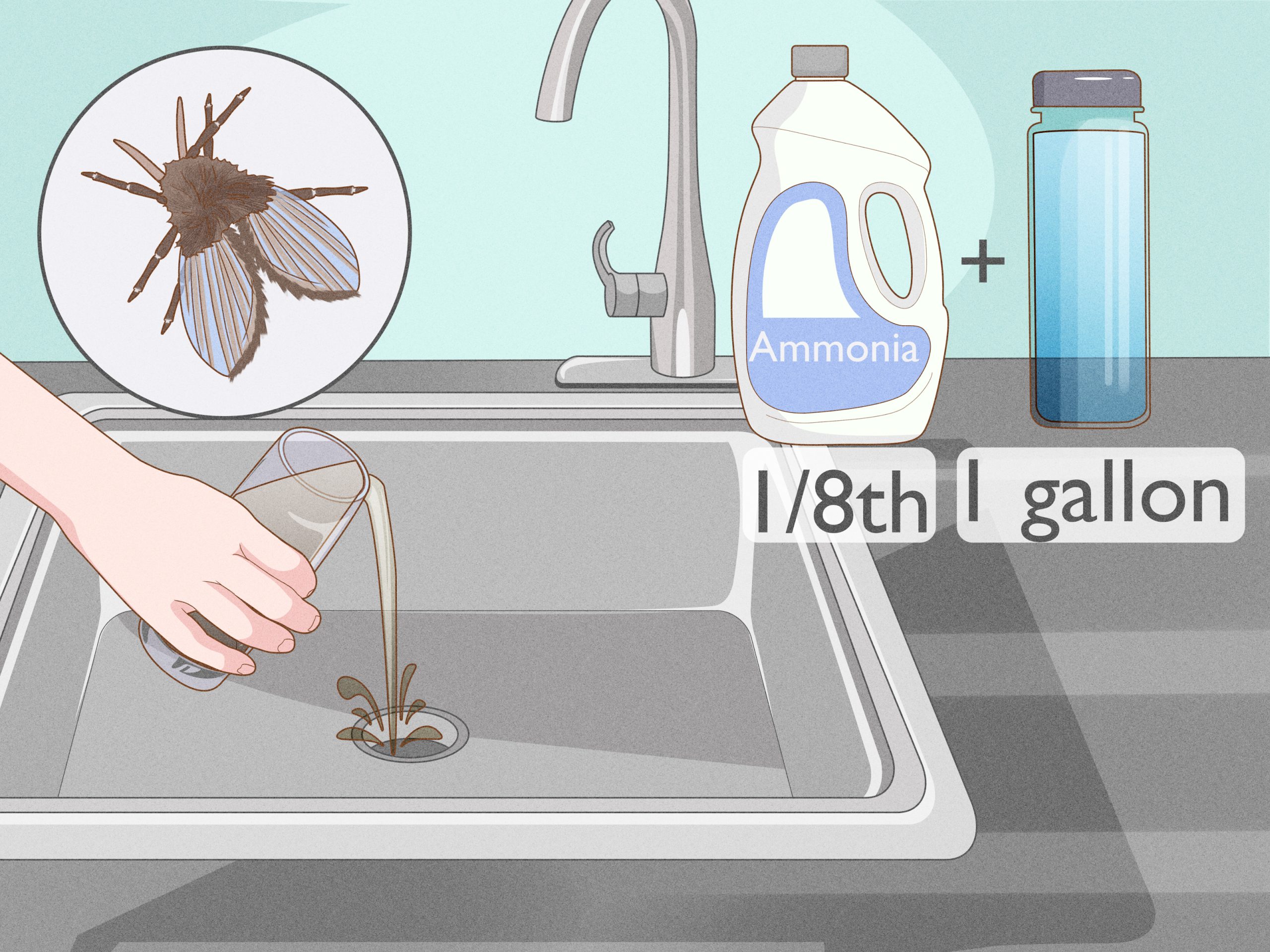
Beyond surface cleanliness‚ focus on the often-overlooked nooks and crannies. Your kitchen sink‚ particularly the drain and garbage disposal‚ is a prime breeding ground for drain flies‚ accumulating organic matter and biofilm. A weekly ritual of pouring boiling water down the drain‚ followed by a solution of baking soda and vinegar‚ can work wonders in dislodging and sanitizing these hidden havens. For persistent drain fly issues‚ consider specialized enzymatic drain cleaners designed to break down organic buildup without harming your plumbing. Similarly‚ for fungus gnats‚ re-evaluating your plant watering habits is crucial. Allowing the top inch or two of soil to dry out between waterings disrupts their breeding cycle‚ effectively transforming your verdant indoor garden from a gnat nursery into an inhospitable wasteland.
When prevention alone isn’t enough‚ ingenious DIY traps offer a remarkably effective supplementary strategy. For fruit flies‚ a simple yet potent trap can be fashioned using a shallow bowl filled with apple cider vinegar‚ a few drops of dish soap‚ and covered with plastic wrap punctured with small holes. The vinegar’s fermentation aroma lures the flies‚ while the dish soap breaks the surface tension‚ causing them to drown. This method‚ surprisingly effective and eco-friendly‚ demonstrates an innovative approach to pest management. For drain flies‚ a similar sticky trap placed near the drain can help monitor and reduce adult populations‚ while the deeper cleaning of the drain addresses their larvae. These tactical interventions‚ when combined with rigorous sanitation‚ create a formidable defense line‚ pushing back against even the most entrenched infestations.
Ultimately‚ achieving a permanently fly-free kitchen is an ongoing commitment‚ a testament to vigilance and consistent effort rather than a one-time fix. It requires a forward-looking mindset‚ continually anticipating potential weak points and proactively addressing them. By adopting a holistic approach—integrating stringent hygiene practices‚ targeted cleaning protocols for drains and plants‚ and deploying clever trapping mechanisms—you can transform your kitchen into an impenetrable fortress against these microscopic invaders. This isn’t merely about pest control; it’s about reclaiming your peace of mind‚ ensuring your kitchen remains a clean‚ vibrant‚ and welcoming space where culinary creativity flourishes‚ unmarred by the incessant buzz of unwanted guests. Embrace these strategies‚ and enjoy the profound satisfaction of a truly pristine culinary kingdom.