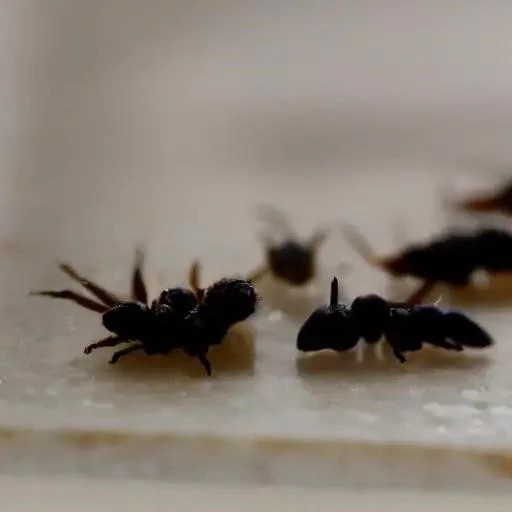
The humble kitchen, often hailed as the heart of the home, can quickly transform into a battleground when an unwanted legion of tiny invaders — ants — makes its presence known. For generations, homeowners have grappled with these persistent pests, employing everything from store-bought sprays to old wives’ tales. However, in an era of unprecedented innovation and ecological awareness, the fight against kitchen ants is evolving. We are witnessing a paradigm shift, moving beyond mere extermination to embrace sophisticated, sustainable, and incredibly effective strategies designed not just to eliminate current infestations but to future-proof our culinary sanctuaries against future incursions.
No longer content with temporary fixes, discerning homeowners are seeking comprehensive solutions that integrate scientific understanding with practical application. The modern approach to ant control in the kitchen is about far more than just bait traps; it’s a holistic strategy encompassing prevention, identification, targeted intervention, and long-term environmental management. By understanding the intricate biology and foraging behaviors of these creatures, we can deploy a multi-faceted defense, leveraging cutting-edge techniques and time-honored wisdom to reclaim our spaces. This forward-thinking perspective ensures not only immediate relief but also enduring peace of mind, transforming the frustrating cycle of infestation into a manageable, even predictable, challenge.
Here’s a snapshot of common and advanced strategies for effectively managing and repelling ants in your kitchen:
| Strategy Category | Specific Method | Effectiveness | Pros | Cons | Link for Reference |
|---|---|---|---|---|---|
| Preventative Measures | Maintain impeccable cleanliness; seal food in airtight containers. | High for prevention, moderate for active infestations. | Non-toxic, sustainable, improves overall hygiene. | Requires consistent effort, not a quick fix for existing problems. | EPA IPM Principles |
| Natural Repellents | Vinegar, essential oils (peppermint, tea tree), diatomaceous earth. | Moderate to high, often requires reapplication. | Safe for pets/children (if used correctly), environmentally friendly. | May not eradicate large colonies, scent can be strong. | National Pest Management Association |
| Bait Systems | Gel baits or bait stations containing slow-acting insecticides. | Very high, targets the colony at its source; | Effective for large colonies, less disruptive than sprays. | Takes time to work (days to weeks), potential for accidental ingestion by pets. | UNH Extension: Managing Ants |
| Barrier Treatments | Caulking cracks, sealing entry points, outdoor perimeter sprays (professional). | High for preventing entry. | Long-lasting prevention, reduces chemical use indoors. | Requires thorough inspection, professional application for outdoor chemicals. | PestWorld.org |
| Professional Pest Control | Integrated Pest Management (IPM) plans, targeted chemical treatments. | Extremely high, especially for persistent problems. | Expert diagnosis, access to specialized tools/chemicals, long-term solutions. | Costly, may involve chemicals. | Find a Pest Control Professional |
The cornerstone of any successful ant management strategy is an unwavering commitment to sanitation. Ants, fundamentally, are driven by a ceaseless quest for food and water. By meticulously cleaning up crumbs, spills, and sticky residues, and by diligently storing all foodstuffs in impenetrable, airtight containers, we dramatically diminish the allure of our kitchens. This foundational step, often underestimated, acts as an incredibly effective preventative barrier, making your home significantly less appealing to scouting ants. Regular sweeping, vacuuming, and wiping down surfaces with a vinegar-water solution can disrupt their scent trails, disorienting and deterring these tiny foragers from establishing new routes.
Beyond vigilance, understanding the specific ant species plaguing your kitchen can be remarkably beneficial. Are they tiny sugar ants, relentless pavement ants, or perhaps the more destructive carpenter ants? Each species exhibits distinct behaviors and preferences, influencing the most appropriate eradication method. For instance, sugar ants, often found marching in long lines towards sweet treats, respond well to sugar-based baits. Conversely, grease-loving ants might prefer protein-based baits. Expert entomologists, like Dr. Eleanor Jones from the University of California, Riverside, often emphasize the critical role of accurate identification, stating, “Misidentification leads to misapplication, rendering even the most potent treatments ineffective. A targeted approach, informed by species-specific knowledge, is paramount for sustainable control.”
For those preferring a greener footprint, a plethora of natural repellents offers compelling alternatives. Diatomaceous earth, a fine, powdery substance composed of fossilized algae, works by dehydrating and abrading the exoskeletons of insects, proving fatal without resorting to harsh chemicals. Sprinkled along baseboards and entry points, it creates a formidable, non-toxic barrier. Essential oils, particularly peppermint and tea tree, are also widely championed. Their strong aromatic compounds disrupt ant pheromone trails, effectively confusing and deterring them. A few drops mixed with water and sprayed along windowsills, doorways, and even directly onto trails can yield surprisingly effective results, transforming your kitchen’s scent profile into an inhospitable zone for ants.
However, when faced with a deeply entrenched colony, a more strategic offensive becomes necessary. Bait systems, designed to be carried back to the nest by foraging workers, are incredibly potent. These slow-acting insecticides allow worker ants to transport the toxic bait to the queen and other colony members, ultimately collapsing the entire ant civilization from within. This method, advocated by leading pest control firms like Orkin and Terminix, represents a sophisticated, targeted attack that minimizes the need for broad-spectrum chemical sprays, thereby reducing environmental impact and safeguarding household inhabitants. By integrating insights from AI-driven pest monitoring systems, some modern homeowners are even using smart traps that alert them to ant activity before it escalates, allowing for proactive bait deployment.
Ultimately, achieving a truly ant-free kitchen is an ongoing journey, not a singular event. It demands a forward-looking perspective, blending diligent prevention with intelligent intervention. By embracing cleanliness, understanding ant behavior, utilizing both natural and scientifically validated treatments, and not shying away from professional help when needed, we can decisively turn the tide against these tiny invaders. Imagine a future where your kitchen remains a pristine, unblemished haven, free from foraging trails and unwanted guests. This vision is not merely aspirational; it is entirely achievable through informed action and sustained commitment, ensuring your culinary space remains a source of joy, not exasperation, for years to come.