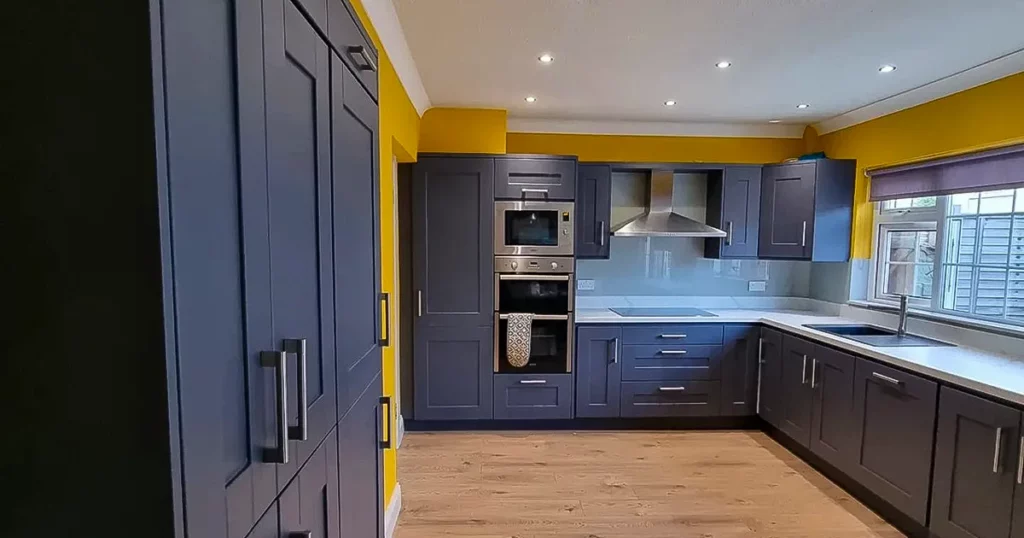
Dreaming of a kitchen makeover but dreading the astronomical costs and weeks of disruption? For years, homeowners faced a daunting dilemma: either endure an outdated culinary space or embark on a financially draining, time-consuming renovation. This pervasive challenge often left aspirations for a refreshed home languishing, trapped between desire and practical constraints. But what if there was a remarkably swift, budget-friendly, and incredibly stylish solution that could utterly transform your kitchen in mere days?
Enter Kitchen Wrapping, a revolutionary design trend sweeping across homes globally, offering an unprecedented opportunity to revitalize your culinary heart without the hefty price tag or prolonged inconvenience. This innovative technique, rapidly gaining traction among savvy homeowners and interior designers alike, involves applying specialized, high-grade architectural vinyl films directly onto existing kitchen surfaces. Imagine effortlessly transitioning from tired laminate to a sophisticated matte finish, or from dated wood to a sleek, modern metallic, all while preserving your existing cabinetry and structure. It’s more than just a cosmetic upgrade; it’s a paradigm shift in how we approach home renovation, promising breathtaking results with minimal fuss.
| Aspect | Description |
|---|---|
| What is Kitchen Wrapping? | A modern renovation technique involving the application of specialized, high-quality vinyl film onto existing kitchen surfaces such as cabinets, drawers, doors, and sometimes even countertops. This process revitalizes the aesthetics without requiring the removal or replacement of original units. |
| Key Benefits | Cost-effective (significantly cheaper than full replacement), time-efficient (typically completed in days), wide range of aesthetic options (diverse colors, textures, finishes), less disruptive (no major demolition), eco-friendly (extends the life of existing units, reducing landfill waste). |
| Materials Used | Primarily high-grade architectural vinyl films. These films are engineered for durability, heat resistance, moisture resistance, and often feature UV protection to prevent fading. Available in various finishes like matte, gloss, wood grain, metallic, and stone effects. |
| Application Process | Involves thorough cleaning and degreasing of surfaces, precise measurement and cutting of the vinyl, and careful application using specialized tools to ensure a smooth, bubble-free finish. Edges are meticulously sealed for a seamless appearance and enhanced durability. |
| Durability & Maintenance | Typically lasts 5-10 years, depending on the quality of the wrap and usage. It is scratch-resistant, water-resistant, and easy to clean with mild detergents. While durable, it’s less impact-resistant than solid materials and requires careful handling around sharp objects or extreme heat. |
| Cost-Effectiveness | Generally 50-70% less expensive than a traditional kitchen renovation involving cabinet replacement. This makes high-end aesthetics accessible to a broader demographic, enabling frequent style updates without significant financial outlay. |
| Environmental Impact | Considered a more sustainable renovation choice as it minimizes waste generated from demolishing and disposing of old cabinets. By reusing existing structures, it reduces demand for new materials and energy consumption associated with manufacturing and transport. |
The Unrivaled Advantages of Choosing Kitchen Wrapping
The allure of kitchen wrapping extends far beyond its initial visual appeal. One of its most compelling attributes is the extraordinary cost-effectiveness it offers. Compared to a traditional kitchen overhaul, which can easily soar into five figures, wrapping presents a fraction of the expense, making high-end aesthetics accessible to a much broader demographic. This financial prudence, however, never compromises on the breathtaking quality or the stunning visual impact achievable. “Homeowners are consistently amazed by the dramatic transformation possible for such a modest investment,” observes Maria Rodriguez, a leading interior design consultant specializing in urban renovations. “It’s like getting a luxury car for the price of a standard model.”
Beyond the economic benefits, the speed and minimal disruption involved are equally captivating. A typical kitchen wrap project, depending on its scale, can be completed in just a few days, a stark contrast to the weeks or even months associated with traditional demolitions and installations. Imagine leaving for work on Monday morning with an outdated kitchen and returning by Friday to a completely reimagined space, showcasing a fresh, modern aesthetic. This expedited timeline is incredibly appealing for busy families and professionals, minimizing the inconvenience of a non-functional kitchen.
An Artist’s Palette: Unlocking Limitless Design Potential
The true magic of kitchen wrapping lies in its unparalleled design versatility. Manufacturers are continually innovating, producing an astonishing array of high-quality vinyl films that mimic almost any material imaginable. From authentic-looking wood grains and sophisticated marble patterns to sleek metallics, vibrant solid colors, and textured finishes, the options are virtually limitless. This allows homeowners to experiment with bold trends or embrace timeless elegance, crafting a kitchen that truly reflects their personal style. By integrating insights from cutting-edge material science, these films now boast remarkable durability, resisting scratches, moisture, and even certain levels of heat, ensuring your wrapped kitchen remains pristine for years.
Sustainability is another powerfully persuasive argument in favor of kitchen wrapping. In an era increasingly conscious of environmental impact, choosing to wrap existing cabinetry significantly reduces landfill waste by extending the lifespan of perfectly functional units. This eco-conscious approach aligns beautifully with modern values, proving that beauty and responsibility can indeed coexist. “Embracing solutions like kitchen wrapping is crucial for a more sustainable future in home design,” states Dr. Alistair Finch, a prominent environmental architect. “It’s a testament to how innovative materials can reduce our footprint without sacrificing aesthetic aspirations.”
The Future is Wrapped: A Vision for Tomorrow’s Homes
Looking ahead, the trajectory for kitchen wrapping is undeniably optimistic and forward-looking. As technology advances, we can anticipate even more sophisticated vinyl films entering the market—perhaps self-cleaning surfaces, anti-bacterial properties, or films capable of dynamic color changes. The trend is already extending beyond kitchens, finding applications in bathrooms, furniture, and commercial spaces, hinting at a broader revolution in surface design and renovation. The ease of application and removal also means that homeowners aren’t locked into a single style for decades; updating your kitchen’s look can become an enjoyable, affordable undertaking every few years, perfectly adapting to evolving tastes and trends.