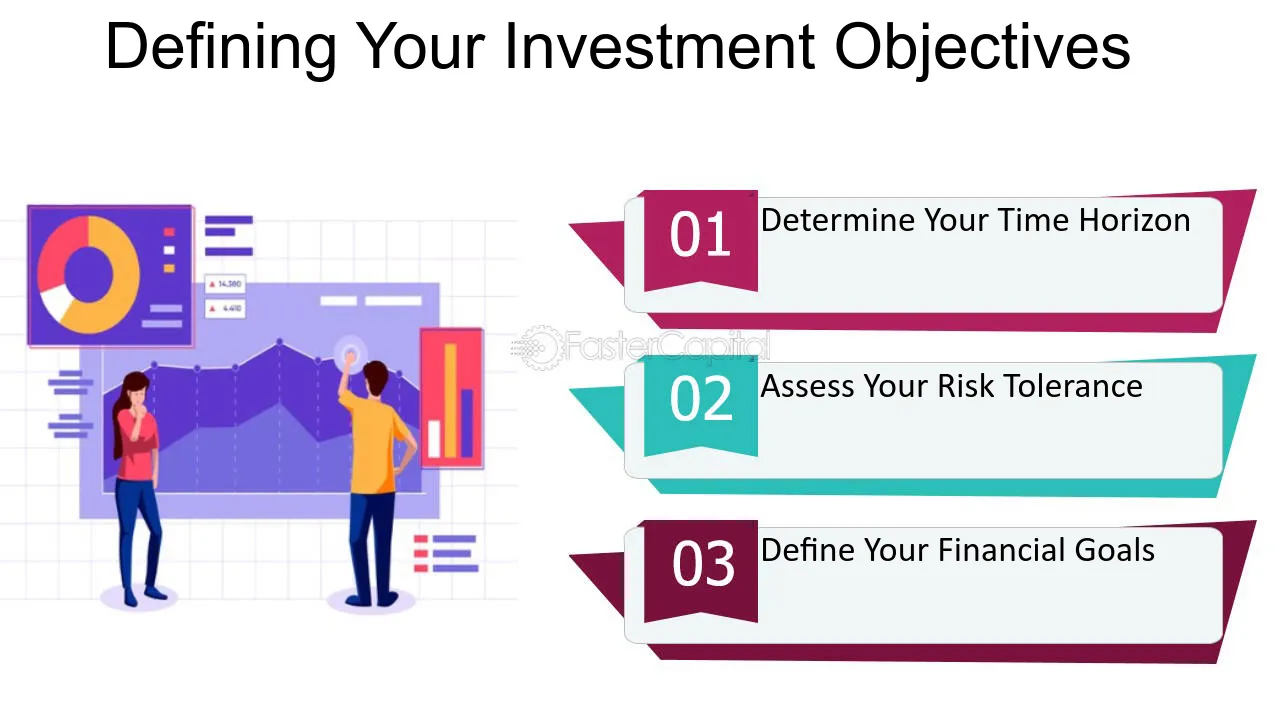
In a world increasingly defined by rapid change and digital disruption, the art of personal finance has never been more critical. Yet, for many, the vast landscape of investments remains an uncharted territory, a bewildering maze of stocks, bonds, and cryptocurrencies. At the heart of navigating this complex terrain lies a remarkably simple, yet profoundly powerful, concept: understanding your investment objectives. These aren’t just abstract financial terms; they are the guiding stars, the meticulously plotted coordinates that will direct your financial vessel through calm seas and turbulent storms alike, ensuring you arrive precisely at your desired destination.
Far from being a mere academic exercise, defining your investment objectives is the foundational blueprint upon which all successful financial strategies are constructed. Without a clear understanding of what you aim to achieve, your investment decisions risk becoming rudderless, driven by market whims or fleeting trends rather than a coherent, long-term vision. Industry veterans consistently affirm that a lack of well-articulated objectives is a primary reason why many aspiring investors fail to reach their full potential. By meticulously crafting these goals, individuals and institutions alike can transform aspirational dreams into tangible realities, leveraging the incredible power of compounding and strategic allocation to build lasting wealth.
To demystify the core components of a successful investment journey, here’s a detailed look at the primary objectives that shape effective financial planning.
| Objective Category | Description | Key Goal / Example |
|---|---|---|
| Wealth Accumulation / Growth | Focuses on increasing the overall value of your investment portfolio over an extended period, typically through capital appreciation. | Long-term growth to fund retirement or significant future expenses. |
| Capital Preservation | Aims to protect the principal amount of an investment from erosion due to inflation or market downturns, often prioritizing stability over high returns. | Maintaining the purchasing power of savings for short-term needs or during retirement. |
| Income Generation | Seeks to produce a regular, consistent stream of cash flow from investments, such as dividends, interest payments, or rental income. | Supplementing living expenses, funding a lifestyle, or creating passive income streams. |
| Specific Goal Funding | Allocating investments towards particular life events or milestones that require significant financial resources. | Saving for a child’s education, a down payment on a home, or a dream vacation. |
| Risk Management / Diversification | The strategic allocation of assets to mitigate potential losses and balance risk against desired returns, often by spreading investments across different asset classes. | Protecting against market volatility and ensuring portfolio resilience. |
For more detailed insights into investment concepts, visit: Investopedia ― Key Investment Objectives
The Guiding Stars of Your Financial Journey: Deconstructing Core Objectives
Let’s delve deeper into these pivotal objectives, recognizing that they are not mutually exclusive but rather interconnected facets of a comprehensive financial strategy. Each serves a distinct purpose, yet all contribute to the overarching goal of financial well-being. Understanding their nuances empowers investors to make incredibly effective decisions, tailoring their portfolios with precision.
Wealth Accumulation and Growth: The Engine of Future Prosperity
For many, the primary driver for investing is the desire to see their capital grow significantly over time. This objective is the bedrock of long-term financial planning, particularly for milestones like retirement or funding a child’s higher education. It typically involves investing in assets with higher growth potential, such as equities or growth-oriented mutual funds, which historically have outperformed inflation and lower-risk assets over extended periods. Leading financial strategists often highlight that this objective requires patience and a tolerance for market fluctuations, as short-term volatility is often a prerequisite for substantial long-term gains. Consider the remarkably successful growth of tech giants over the past decades; these opportunities were seized by investors committed to long-term wealth accumulation, embracing the inherent risks for potentially exponential rewards. By integrating insights from market cycles and economic forecasts, investors can strategically position themselves for robust capital appreciation.
Capital Preservation: Safeguarding Your Hard-Earned Assets
While growth is enticing, protecting existing capital is equally vital, especially for individuals nearing retirement or those with immediate liquidity needs. Capital preservation focuses on minimizing the risk of losing your initial investment, often prioritizing stability and safety over aggressive growth. This objective typically leads investors towards lower-risk assets like government bonds, high-quality corporate bonds, or money market instruments. Although the returns might be modest, the peace of mind offered by knowing your principal is largely secure is invaluable. Think of it as the sturdy foundation of a magnificent skyscraper; without a robust base, even the tallest structure is vulnerable. In an increasingly volatile global economy, ensuring a portion of your portfolio is dedicated to capital preservation is a prudent, forward-looking strategy, shielding you from unexpected downturns and providing a critical safety net.
Income Generation: Fueling Your Lifestyle and Investments
For some investors, particularly retirees or those seeking supplemental income, generating a consistent cash flow from their investments is paramount. This objective is met through assets that regularly pay out interest, dividends, or rental income. Examples include dividend-paying stocks, real estate investment trusts (REITs), corporate bonds, and preferred shares. The allure of passive income is undeniably strong, offering financial freedom and the ability to cover living expenses without liquidating capital. Imagine a fruit-bearing orchard that consistently provides harvests; income-generating investments function similarly, providing a steady stream of resources. This strategy can be incredibly effective in creating financial independence, allowing investors to reinvest the income for further growth or use it to enhance their current lifestyle, thus creating a powerfully reinforcing cycle of prosperity.
Specific Goal Funding: Tailoring Investments to Life’s Milestones
Beyond broad wealth accumulation, many individuals invest with very specific life goals in mind. Whether it’s saving for a child’s university education, a down payment on a dream home, or a once-in-a-lifetime sabbatical, these objectives require a precisely tailored investment approach. The timeline and required capital for each goal will dictate the risk tolerance and asset allocation strategy. A short-term goal, for instance, might lean towards more conservative investments, while a long-term aspiration could accommodate higher-growth, higher-risk assets. This personalized approach transforms generic investment advice into a meticulously planned roadmap for achieving personal ambitions. By breaking down large goals into manageable financial targets, individuals can feel more empowered and engaged in their financial journey, progressively moving closer to realizing their cherished aspirations.
Risk Management and Diversification: The Art of Portfolio Resilience
While not an objective in itself, risk management and diversification are fundamentally sound strategies woven into the fabric of all successful investment endeavors. This objective is about balancing the potential for return against the inherent risks involved. A well-diversified portfolio spreads investments across various asset classes, industries, and geographies, reducing the impact of poor performance in any single area. As the old adage wisely states, “Don’t put all your eggs in one basket.” Modern portfolio theory, a cornerstone of financial economics, underscores the importance of this approach, demonstrating how diversification can enhance returns for a given level of risk. Smart investors are always looking forward, anticipating market shifts and strategically rebalancing their portfolios to maintain optimal risk-adjusted returns. This proactive stance ensures that your investments are not just growing, but growing resiliently, prepared for whatever economic currents may arise.
The Path Forward: Your Personalized Investment Compass
Ultimately, the power of defining your investment objectives lies in clarity and control. It transforms investing from a daunting, speculative gamble into a purposeful, strategic pursuit. Leading financial experts consistently emphasize that there is no one-size-fits-all solution; your objectives must be deeply personal, reflecting your unique financial situation, risk tolerance, and life aspirations. By understanding these core principles, you are not merely participating in the market; you are actively shaping your financial future.
As we look to the horizon, the financial landscape will undoubtedly continue to evolve, presenting new challenges and incredible opportunities. Yet, armed with clearly defined investment objectives, you possess the ultimate compass to navigate these changes with confidence and conviction. Embrace this foundational wisdom, and embark on a remarkably rewarding journey toward sustained prosperity and financial freedom. Your future self will undoubtedly thank you for the foresight and discipline you cultivated today.