In the symphony of modern automotive engineering, where sophisticated electronics and intricate systems dictate performance, the unassuming car battery often remains an unsung hero․ While many drivers instinctively grasp the importance of a battery for starting their vehicle, a deeper, more crucial metric frequently goes overlooked: the amp-hour (Ah) rating․ This isn’t merely a technical specification; it’s the very lifeblood of your vehicle’s electrical endurance, dictating its capacity to power everything from essential engine components to an ever-growing array of creature comforts and safety features, especially as vehicles become more complex and integrated․
Understanding how many amp hours in a car battery isn’t just about preventing inconvenient breakdowns; it’s about empowering yourself with knowledge to make informed decisions, optimize vehicle performance, and even anticipate future automotive trends․ As we accelerate into an era of increasingly electrified and connected cars, where stop-start systems are standard and auxiliary electronics proliferate, the capacity of your battery—measured in amp-hours—becomes a remarkably critical indicator of its ability to meet these demanding requirements․ Delving into this essential metric reveals not just a number, but a comprehensive story of reliability, longevity, and the incredible evolution of automotive power storage․
Car Battery Amp-Hour (Ah) Ratings: A Quick Guide
For a clearer understanding of common car battery types and their typical amp-hour capacities, consult the table below․ This information can help you gauge the power potential of various battery technologies․
| Battery Type | Typical Amp-Hour (Ah) Range | Key Characteristics & Applications | |
|---|---|---|---|
| Flooded Lead-Acid (SLA) | 40 ⸺ 100 Ah | The most common and economical type․ Good for traditional vehicles without extensive electronic demands․ Requires occasional maintenance (checking water levels)․ | |
| Absorbent Glass Mat (AGM) | 60 ― 105 Ah | Maintenance-free, spill-proof, and highly resistant to vibration․ Excellent for modern vehicles with start-stop systems, extensive electronics, or high power demands․ Offers faster recharging and longer cycle life․ | |
| Enhanced Flooded Battery (EFB) | 50 ― 95 Ah | A step up from standard flooded batteries, designed to meet the demands of entry-level start-stop vehicles․ Offers improved cycle life and charge acceptance compared to SLA, but less robust than AGM․ | |
| Deep Cycle (Marine/RV) | 75 ⸺ 200+ Ah | Designed to provide a steady amount of current over a long period․ Not typically used as a primary car starting battery, but essential for auxiliary power in recreational vehicles or boats․ | |
| Lithium-ion (LiFePO4) | ~30 ― 80 Ah (for 12V automotive replacement) | Lighter, more compact, and offers significantly longer life and faster charging․ Emerging as a premium aftermarket option for performance vehicles or specialized applications, though still costly for mass market 12V car batteries․ | |
| Reference: For more detailed information on battery technologies and specifications, visit Batteries Plus Blog on Ah Rating․ | |||
Decoding the Amp-Hour: Your Vehicle’s Electrical Fuel Tank
Think of your car battery’s amp-hour rating as the size of its fuel tank, but for electricity․ Just as a larger fuel tank allows a car to travel further without refueling, a higher Ah rating indicates a battery’s capability to deliver a specific current for a longer duration before depleting․ Specifically, a 60 Ah battery can theoretically supply 1 amp of current for 60 hours, 10 amps for 6 hours, or 60 amps for 1 hour․ This simple yet profoundly impactful metric governs the stamina and resilience of your vehicle’s electrical ecosystem, from powering the ignition system on a frigid morning to keeping your infotainment system running during an extended wait․
Modern vehicles, bristling with advanced driver-assistance systems (ADAS), sophisticated infotainment setups, and an abundance of sensors, place unprecedented demands on the electrical system․ The traditional view of a car battery as solely a starter component is rapidly becoming obsolete․ Today, it’s a critical power reservoir, constantly managing loads from heated seats, navigation, mobile device charging, and even complex engine control units․ An adequately sized Ah rating ensures that all these systems can function optimally, preventing premature battery failure and ensuring a consistently reliable driving experience, thereby safeguarding your investment and peace of mind․
The Criticality of Capacity: Beyond Just Starting Power
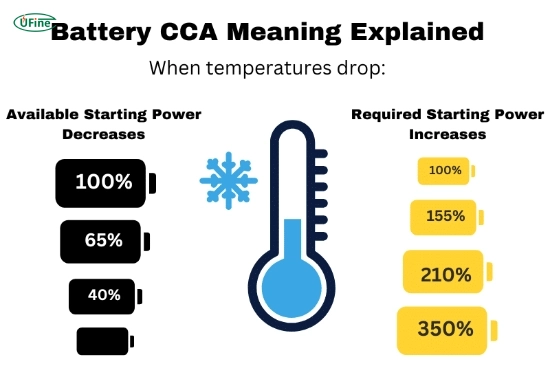
While Cold Cranking Amps (CCA) tell you how much power your battery can deliver to start your engine in freezing temperatures, the Ah rating reveals its overall endurance․ This distinction is crucial, particularly for drivers who engage in frequent short trips, where the alternator might not have sufficient time to fully recharge the battery․ An undersized Ah capacity in such scenarios can lead to a state of chronic undercharging, progressively diminishing the battery’s lifespan and increasing the risk of unexpected failure․ By integrating insights from battery experts, we understand that maintaining an optimal charge is paramount for extending battery longevity․
Moreover, the rise of start-stop technology, designed to save fuel and reduce emissions, inherently stresses the battery more than conventional systems․ These advanced systems demand batteries with significantly higher cycle life and faster recharge capabilities․ Consequently, vehicles equipped with start-stop often utilize AGM or EFB batteries, which boast superior Ah ratings and robust internal structures․ “The transition to more demanding vehicle architectures means that understanding Ah is no longer optional; it’s fundamental,” asserts a leading automotive battery engineer, highlighting the industry-wide shift towards more resilient power solutions․ This forward-looking perspective underscores the necessity for drivers to align their battery choice with their vehicle’s specific technological requirements․
Expert Perspectives and Industry Innovations
Leading battery manufacturers are constantly innovating, driven by the escalating demands of the automotive sector․ Developing batteries with higher energy density and improved cycle life is a primary focus․ For instance, the advancements in lead-acid technology, particularly with AGM and EFB variations, have dramatically improved their performance envelope, allowing them to handle the rigorous demands of modern vehicle electronics and micro-hybrid systems․ These innovations are not just incremental; they represent a paradigm shift in how conventional 12V batteries perform and endure under stress, providing unparalleled reliability and efficiency․
Looking ahead, while lithium-ion technology is increasingly prevalent in electric vehicles, its application as a 12V automotive starting battery is also gaining traction, albeit at a premium price point․ These advanced batteries offer significantly higher Ah capacities for their size, alongside remarkable weight savings and extended lifespans․ “The future of automotive power storage is incredibly exciting, promising not just more power, but smarter power management,” states an industry analyst, reflecting on the ongoing research and development․ This optimistic outlook anticipates a future where battery technology will seamlessly integrate with vehicle systems, offering unprecedented efficiency and reliability, truly empowering drivers with robust and enduring power solutions․
Empowering Your Drive: The Path Forward
Embrace this vital insight, and drive confidently into a future where your car’s electrical heartbeat is strong, steady, and ready for whatever the road—and technology—may bring․ The journey ahead, propelled by ever-improving battery technology, promises more connected, more efficient, and ultimately, more enjoyable driving experiences for everyone․