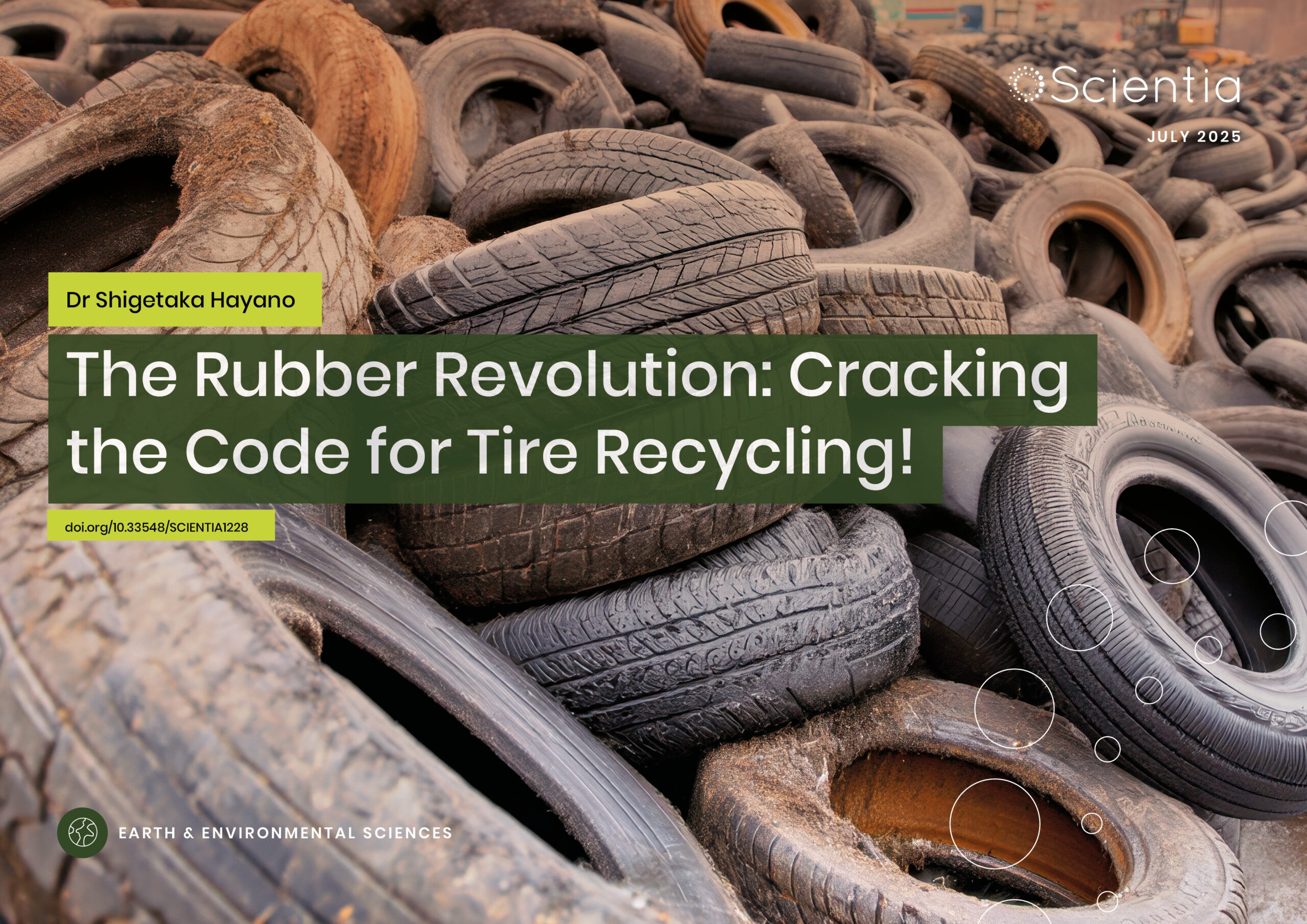
Every year, billions of worn-out car tyres are discarded globally, presenting an astonishingly colossal environmental challenge that has long plagued our planet. For decades, these rubber behemoths have piled up in unsightly landfills, becoming breeding grounds for pests, fire hazards, and leaching harmful chemicals into our soil and water. The sheer volume is staggering, creating mountains of non-biodegradable waste that seemed destined for an eternal resting place, a stark reminder of our industrial footprint. Yet, a seismic shift is underway, transforming what was once an intractable waste problem into a vibrant opportunity for innovation and sustainable growth.
Today, forward-thinking engineers, pioneering scientists, and visionary entrepreneurs are meticulously dismantling the traditional narrative of waste, reimagining the entire lifecycle of a tyre. They are not merely seeking better disposal methods; instead, they are architecting a sophisticated circular economy where every discarded tyre is viewed not as refuse but as an incredibly valuable resource awaiting its next incarnation. This optimistic perspective is catalyzing groundbreaking solutions, promising a future where the rubber that once propelled our vehicles will continue to serve humanity in profoundly new and ecologically beneficial ways, propelling us towards a truly sustainable future.
Key Aspects of Sustainable Tyre Disposal & Recycling
| Aspect | Description | Impact/Benefit |
|---|---|---|
| Environmental Hazard | Tyres in landfills pose risks: fire hazards, pest breeding grounds, chemical leaching (heavy metals, oil). | Mitigating pollution, reducing public health risks, conserving natural resources. |
| Mechanical Recycling | Shredding tyres into crumb rubber or chips for various applications. | Used in playgrounds, artificial turf infill, asphalt modification, new rubber products (mats, tiles). |
| Pyrolysis | Heating tyres in an oxygen-free environment to break them down into oil, gas, carbon black, and steel. | Produces valuable resources: Tyre Pyrolysis Oil (TPO) as fuel, recovered carbon black (rCB) for new rubber products. |
| Civil Engineering Uses | Whole or shredded tyres used as infill for embankments, sound barriers, and drainage layers. | Cost-effective, lightweight fill material; good vibration absorption and thermal insulation. |
| Government & Industry Role | Implementing Extended Producer Responsibility (EPR) schemes, investing in recycling infrastructure, promoting green procurement. | Ensuring responsible end-of-life management, fostering innovation, creating green jobs. |
| Consumer Action | Choosing reputable tyre dealers for disposal, supporting recycled products, advocating for sustainable practices. | Driving demand for sustainable solutions, contributing to a cleaner environment. |
Reference: U.S. Environmental Protection Agency ⸺ Scrap Tires
One of the most promising avenues for tyre recycling involves mechanical processing, meticulously shredding old tyres into crumb rubber. This remarkably versatile material finds new life in an astonishing array of products, from shock-absorbing playground surfaces and artificial sports turf infill to innovative road construction materials. Imagine driving on asphalt partially composed of recycled tyres, enhancing durability and reducing noise pollution. Dr. Elena Petrova, a leading materials scientist at the Global Recycling Institute, enthusiastically notes, “The advancements in processing technology mean we can now create incredibly high-quality secondary raw materials from tyres, effectively closing the loop on a product once deemed unrecyclable.”
Beyond mechanical methods, advanced chemical recycling processes like pyrolysis are completely revolutionizing the industry. Pyrolysis involves heating tyres in an oxygen-free environment, breaking them down into their fundamental components: oil, gas, steel, and a recovered carbon black (rCB). This rCB, once refined, can be reintroduced into the manufacturing of brand-new tyres, creating a truly circular economy model. The resulting tyre pyrolysis oil (TPO) can be utilized as an industrial fuel or further refined into chemicals, dramatically reducing our reliance on virgin fossil resources. Companies like Scandinavian Enviro Systems are pioneering these technologies, demonstrably proving their commercial viability and environmental superiority.
The economic implications of this circular shift are just as compelling as the environmental ones. By transforming waste into valuable commodities, new industries are emerging, creating green jobs and fostering regional economic resilience. Governments worldwide are increasingly implementing Extended Producer Responsibility (EPR) schemes, holding manufacturers accountable for the entire lifecycle of their products, which in turn incentivizes investment in recycling infrastructure. This collective effort is not merely about managing waste; it’s about unlocking profound value, previously unrecognized, from materials that were simply discarded. The future, brightly illuminated by these innovations, envisions a landscape where old tyres contribute positively to infrastructure, energy production, and even new product development, rather than burdening our ecosystems.
What, then, is the role of the individual consumer in this grand transformation? Choosing reputable tyre dealers who partner with certified recyclers is a crucial first step. Furthermore, actively seeking out products made from recycled rubber, from footwear to flooring, sends a clear market signal supporting sustainable practices. By integrating insights from cutting-edge research and embracing responsible disposal habits, we collectively contribute to a healthier planet. The journey from waste to resource is not just an industrial challenge; it is a shared societal responsibility, demanding our attention and enthusiastic participation. The momentum is building, promising a cleaner, more resource-efficient world for generations to come.