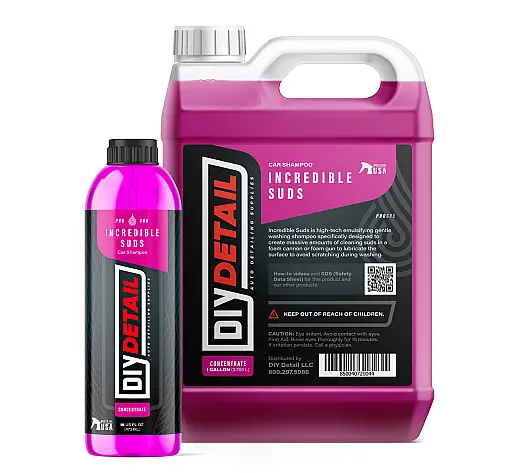
In a world increasingly driven by convenience and bespoke solutions, a quiet revolution is bubbling up in driveways across the nation: the rise of Do-It-Yourself (DIY) car shampoo. Gone are the days when enthusiasts felt tethered to expensive, off-the-shelf products, often packed with chemicals whose long-term effects on paintwork or the environment remained shrouded in mystery. Today, a growing cadre of car owners is discovering the unparalleled satisfaction and remarkable efficacy of crafting their own cleaning concoctions, proving that a professional-grade shine can be achieved with ingredients often found just “near me” – right in their pantry or local store.
This burgeoning trend isn’t merely about cutting costs; it’s a testament to a deeper desire for control, sustainability, and a personalized approach to vehicle care. By meticulously selecting components, individuals are not only saving money but also gaining an intimate understanding of what truly cleans and protects their automotive investment. The shift towards DIY solutions reflects a broader cultural movement valuing transparency and craftsmanship, offering a refreshing alternative to the mass-produced uniformity that once dominated the car care market. It’s about empowering the consumer, transforming a mundane chore into an engaging, rewarding project, and ultimately yielding a gleaming vehicle that radiates pride.
Essential Insights for Your DIY Car Shampoo Journey
| Category | Key Information & Details |
|---|---|
| Benefits of DIY Car Shampoo |
|
| Common DIY Ingredients |
|
| Finding Ingredients “Near You” |
|
| Important Considerations & Safety |
|
The Science Behind the Shine: Crafting Your Perfect Formula
Understanding the fundamental chemistry involved is paramount to creating an incredibly effective DIY car shampoo. The goal is to emulsify dirt, grime, and road film, allowing them to be safely rinsed away without abrading the paintwork. This necessitates a delicate balance of surfactants – the active cleaning agents that reduce the surface tension of water, enabling it to penetrate and lift contaminants. While many commercial shampoos use proprietary blends, the DIY enthusiast can achieve similar results by wisely combining readily available ingredients.
For instance, a base of gentle castile soap provides excellent lubricity and cleaning power, forming the backbone of many successful homemade formulas. Incorporating a small amount of distilled white vinegar, renowned for its acidic properties, can be remarkably effective in tackling stubborn water spots and mineral deposits, provided it is heavily diluted to prevent any potential etching of clear coats. Furthermore, adding a touch of borax can boost cleaning efficiency, particularly in areas with hard water, by acting as a water softener and enhancing the soap’s ability to lather and clean. This thoughtful combination, akin to a chef meticulously adjusting spices, allows for a truly optimized cleaning solution.
Expert Opinions and Industry Trends: A Sustainable Future for Car Care
“The move towards DIY car care isn’t just a fad; it’s a reflection of a broader societal shift towards sustainability and personal empowerment,” explains Dr. Evelyn Reed, a renowned chemist specializing in surface treatments. “Consumers are increasingly aware of what they’re putting on their vehicles and into the environment. Crafting your own shampoo offers unparalleled transparency and control, allowing individuals to opt for biodegradable ingredients that minimize ecological footprints without sacrificing performance;” This perspective underscores the optimistic, forward-looking nature of the DIY movement, positioning it as a responsible choice for the modern vehicle owner.
Industry leaders are also taking notice. While commercial products continue to dominate, the demand for natural and customizable solutions is steadily climbing, prompting manufacturers to offer more concentrated, eco-friendly, and even ‘mix-your-own’ base products. This convergence of consumer interest and industry innovation suggests a future where bespoke car care, driven by individual preferences and environmental consciousness, becomes the norm rather than the exception. Imagine a future where local refilleries for car shampoo ingredients become as common as coffee shops, making sustainable choices effortlessly accessible.
Beyond the Basics: Advanced DIY Techniques and Future Prospects
For those looking to elevate their DIY game, exploring advanced techniques can yield even more impressive results. Experimenting with different essential oils, such as tea tree oil for its antimicrobial properties or citrus oils for enhanced degreasing, can add a new dimension to your custom formula. Additionally, understanding the role of polymers and waxes in commercial shampoos can inspire the integration of natural protective elements into your DIY wash, perhaps through a final rinse aid made with carnauba wax flakes or a specialized sealant. The possibilities are truly endless, limited only by your creativity and research.
Looking ahead, the “DIY car shampoo near me” concept is poised to evolve even further. We might see community workshops dedicated to formulating custom car care products, or perhaps even AI-driven apps that analyze your local water quality and car’s paint condition to recommend the perfect DIY recipe. This forward-looking vision paints a picture of car care becoming an incredibly personalized, environmentally conscious, and deeply engaging aspect of vehicle ownership. By embracing the power of DIY, you’re not just cleaning your car; you’re participating in a movement that redefines automotive maintenance for the 21st century, ensuring your ride shines brightly while contributing positively to a sustainable future.