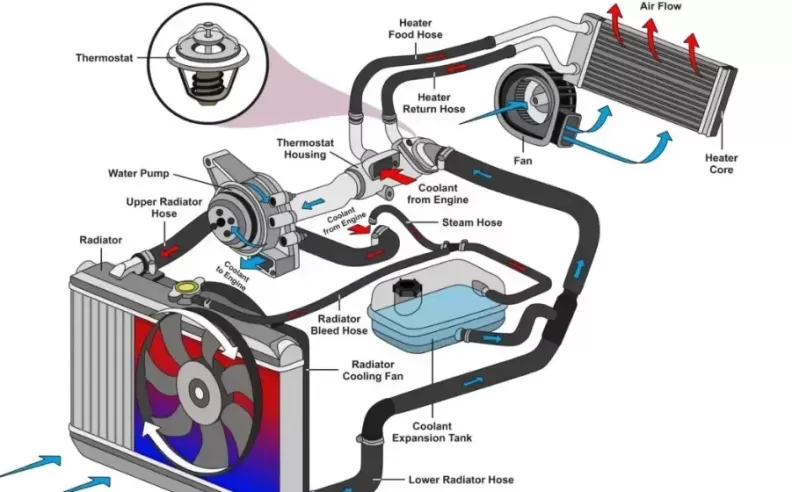
In the intricate symphony of modern automotive engineering, few components play as critical a role as the humble yet incredibly effective engine coolant. Often overlooked until the ominous glow of a dashboard warning light or the terrifying sight of steam billowing from under the hood, coolant is, in essence, the lifeblood of your vehicle’s most vital organ – its engine. Imagine a high-performance athlete pushing their limits without adequate hydration; similarly, an engine without optimal cooling is destined for a rapid, painful demise. Fortunately, empowering yourself with the knowledge of how to properly maintain this crucial fluid is not only remarkably straightforward but also an indispensable skill for any discerning car owner.
Far from being a mere seasonal chore, proactive coolant management is a year-round commitment to safeguarding your investment, ensuring peak performance, and significantly extending the lifespan of your cherished vehicle. By integrating insights from seasoned automotive experts and embracing a few simple, yet profoundly impactful, steps, you can transcend the reactive panic of an overheating engine and step into a realm of confident, proactive maintenance. This isn’t just about pouring a liquid; it’s about understanding a system, preventing costly breakdowns, and fostering a deeper connection with the powerful machine that propels your daily adventures. Get ready to transform your approach to car care, securing not just your engine, but your peace of mind.
| Coolant Type | Key Characteristics | Common Color(s) | Best For / Important Considerations |
|---|---|---|---|
| Inorganic Acid Technology (IAT) | Traditional formula utilizing silicates and phosphates for corrosion protection. Shorter service life. | Green | Typically found in older vehicles (pre-2000). Requires more frequent replacement, often every 2 years or 30,000 miles. Avoid mixing with other types. |
| Organic Acid Technology (OAT) | Silicate and phosphate-free, offering extended lifespan and enhanced protection against cavitation and corrosion. | Orange, Red, Pink, Purple | Common in many newer vehicles. Provides extended service intervals (up to 5 years or 100,000 miles). Critically, do NOT mix with IAT coolants as this can lead to gel formation and system damage. |
| Hybrid Organic Acid Technology (HOAT) | A versatile blend that combines OAT’s long-life properties with IAT’s quick-acting silicate protection. | Yellow, Orange, Blue | Frequently specified for modern European and some Asian vehicles. Offers excellent balanced performance and extended longevity. Always cross-reference with your vehicle’s owner’s manual. |
| Phosphate Hybrid Organic Acid Technology (P-HOAT) | Specifically engineered for certain Asian manufacturers, integrating phosphates with organic acids for superior protection. | Pink, Blue, Green | Primarily used in vehicles from brands like Toyota, Honda, Hyundai, and Kia. Delivers exceptional heat transfer capabilities and robust corrosion inhibition. |
Reference: Valvoline: Types of Coolant Explained (Always consult your vehicle’s owner’s manual for specific coolant requirements and mixing guidelines.)
Understanding the Engine’s Thermoregulator
At its core, coolant serves a dual purpose: it prevents your engine from overheating in scorching summer temperatures and ensures it doesn’t freeze solid during the bitter chill of winter. This seemingly simple liquid is, in fact, a carefully formulated blend of water, ethylene glycol or propylene glycol, and a sophisticated package of corrosion inhibitors. Without this crucial mixture, the intense friction and combustion within your engine would generate temperatures easily exceeding the boiling point of water, leading to warped cylinder heads, cracked blocks, and ultimately, a completely seized engine. It acts as an incredible heat transfer medium, absorbing heat from the engine and dissipating it through the radiator, maintaining the optimal operating temperature for peak efficiency and longevity.
The Empowering Process: A Step-by-Step Guide
Before embarking on this vital maintenance task, preparation is paramount. Always ensure your engine is completely cool before attempting to open the radiator cap or coolant reservoir. Attempting to do so on a hot engine can result in severe burns from pressurized, superheated coolant, a mistake no one wants to make. Gather your tools: the correct type of coolant for your vehicle (check your owner’s manual!), a funnel, and a clean rag. Safety glasses and gloves are also highly recommended, providing an additional layer of protection against accidental splashes.
Locating your coolant reservoir is typically straightforward. It’s usually a translucent plastic tank situated near the radiator, clearly marked with “MIN” and “MAX” lines. A quick glance will reveal if your coolant level is dipping below the minimum threshold, indicating a need for replenishment. If the reservoir appears empty, or significantly low, it’s time to act, but also to consider if there might be a leak needing professional attention.
Choosing the correct coolant is perhaps the most critical decision. As highlighted in our table, modern vehicles demand specific formulations—IAT, OAT, HOAT, or P-HOAT—each tailored to particular engine materials and environmental regulations. Mixing incompatible types can lead to a disastrous chemical reaction, gelling, and severe damage to your cooling system. Always opt for a pre-mixed 50/50 solution, or if using concentrate, meticulously follow the dilution instructions with distilled water to avoid mineral deposits.
With the right coolant in hand, gently remove the reservoir cap. Position your funnel securely in the opening to prevent spills, then slowly pour the coolant until the level reaches the “MAX” line. Avoid overfilling, as the coolant needs room to expand as it heats up. After filling, replace the cap securely. An expert tip for ensuring optimal performance: after adding coolant, start your engine and let it run with the heater on full blast. This helps circulate the new fluid and can “bleed” any trapped air pockets from the system, a common cause of ineffective cooling.
Beyond the Basics: Proactive Vigilance for a Smarter Drive
Regularly checking your coolant level, ideally once a month or before a long trip, is a remarkably simple habit that yields immense dividends. Furthermore, keep an eye out for any puddles or discoloration under your car, which could signal a leak in the system. A sudden drop in coolant without an apparent leak might indicate an internal engine issue, necessitating immediate professional diagnosis. By staying attuned to these subtle indicators, you can address minor issues before they escalate into major, expensive repairs.
The automotive landscape is continually evolving, with innovations in engine design and material science driving the development of even more advanced coolants. Looking ahead, we can anticipate further refinements in environmentally friendlier formulations and smart cooling systems that dynamically adjust to driving conditions. Embracing this forward-looking perspective on maintenance not only protects your current vehicle but also prepares you for the exciting advancements yet to come, ensuring you remain at the forefront of responsible car ownership.
Empowering yourself with the knowledge of how to properly put coolant in your car is more than just a mechanical task; it’s an investment in the longevity and reliability of your vehicle, a testament to proactive ownership. By understanding the critical role coolant plays, meticulously following the steps for replenishment, and maintaining a vigilant eye on your cooling system, you transform from a passive driver into an informed, confident automotive steward. Embrace this vital skill, and drive forward with the assurance that your engine is protected, optimized, and ready for every journey ahead.