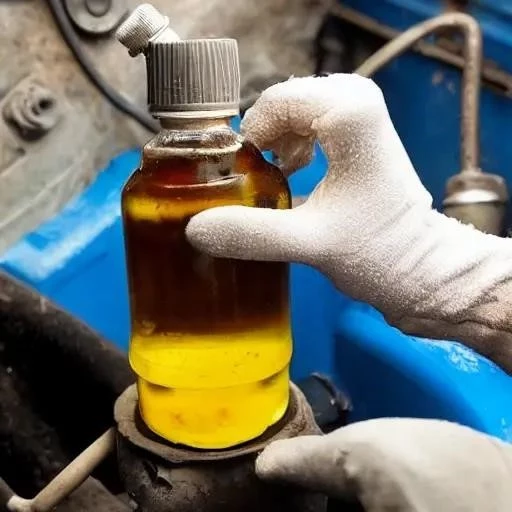
Shocking Truth Revealed: Unlocking Peak Performance – Which Car Oil Is Truly Right For Your Ride?
In the pulsating heart of every automotive marvel‚ from the sleekest electric hybrids to the most robust diesel workhorses‚ an unsung hero quietly orchestrates a symphony of protection and performance: engine oil. Far from being a mere fluid‚ this vital lubricant represents the lifeblood of your vehicle‚ meticulously safeguarding its intricate components against the relentless forces of friction‚ heat‚ and corrosion. The quest for the perfect lubricant for your cherished vehicle often feels like navigating a dense jungle of technical jargon and marketing hype‚ leaving many drivers bewildered and uncertain. Yet‚ understanding which car oil is optimally suited for your specific engine is not merely a maintenance chore; it is a strategic investment in the longevity‚ efficiency‚ and unwavering reliability of your automotive companion.
Modern engines‚ engineered with astonishing precision and demanding ever-higher performance metrics‚ rely more than ever on the sophisticated chemistry within their oil sumps. Without the correct oil‚ the intricate dance of pistons‚ crankshafts‚ and valvetrains can quickly devolve into a catastrophic grind‚ diminishing efficiency‚ inviting premature wear‚ and potentially leading to costly mechanical failures. This seemingly minor decision‚ frequently overlooked by even diligent car owners‚ profoundly impacts everything from fuel economy to the very lifespan of your engine‚ making it a pivotal choice for long-term automotive health. By meticulously adhering to manufacturer specifications and understanding the nuanced differences between oil types‚ drivers can unlock hitherto unrealized levels of performance and safeguard their valuable investment for countless miles ahead‚ driving confidently into the future.
Essential Car Oil Selection Guide: Demystifying Your Engine’s Lifeblood
| Category | Key Consideration | Description & Importance | Reference / Example |
|---|---|---|---|
| Viscosity Grade | SAE 5W-30‚ 0W-20‚ 10W-40 | Indicates how thick or thin the oil is at different temperatures. ‘W’ (Winter) denotes cold-start flow‚ while the second number shows viscosity at operating temperature. Crucial for engine protection during start-up and under load. | Consult your vehicle’s owner’s manual for the precise recommendation. |
| Oil Type | Conventional‚ Synthetic Blend‚ Full Synthetic | Conventional: Basic petroleum-based. Synthetic Blend: Mix of conventional and synthetic‚ offering enhanced protection. Full Synthetic: Chemically engineered for superior performance‚ extreme temperature resistance‚ and engine cleanliness. | Many modern engines‚ especially turbocharged or high-performance ones‚ mandate full synthetic oils. |
| Industry Standards & Specifications | API‚ ACEA‚ ILSAC‚ OEM Approvals | These certifications (e.g.‚ API SP‚ ACEA C3‚ ILSAC GF-6) indicate the oil meets specific performance requirements for engine protection‚ fuel economy‚ and emission control. OEM (Original Equipment Manufacturer) approvals are brand-specific. | Look for the “donut” symbol on API-certified oils. Specific OEM approvals like BMW LL-01 or Mercedes-Benz MB 229.5 are vital for certain vehicles. |
| Vehicle Manufacturer Recommendations | Owner’s Manual‚ Dealership Information | The single most critical source of information. Manufacturers specify the exact viscosity grade‚ oil type‚ and performance standards required for optimal engine health and warranty compliance; Deviating can lead to severe engine damage. | Always check your car’s owner’s manual first. API Consumer Resources |
Beyond the Label: Demystifying Viscosity and Type
The alphanumeric codes emblazoned on oil bottles‚ such as “5W-30” or “0W-20‚” are not arbitrary; they represent crucial viscosity grades‚ defining the oil’s flow characteristics at varying temperatures. The “W” (for Winter) number indicates the oil’s thickness at colder temperatures‚ crucial for swift engine lubrication during cold starts‚ preventing wear when your engine is most vulnerable. The second number denotes its viscosity at normal operating temperatures. Choosing the correct grade‚ as outlined in your owner’s manual‚ is paramount. Using an oil that is too thick can impede flow‚ causing excessive drag and reduced fuel efficiency‚ while an oil that is too thin might fail to provide adequate protective film strength under extreme heat and pressure‚ risking metal-on-metal contact. Industry experts‚ like Dr. Mark Johnson‚ a renowned tribologist‚ frequently emphasize that “the wrong viscosity is akin to asking your heart to pump molasses; it simply won’t function optimally‚ stressing every component.”
Equally vital is the distinction between conventional‚ synthetic blend‚ and full synthetic oils. Conventional oils‚ derived from crude petroleum‚ offer adequate protection for older‚ less demanding engines. Synthetic blends‚ a clever hybrid‚ combine conventional and synthetic base stocks‚ providing enhanced performance and protection without the full synthetic price tag. However‚ it is full synthetic oil that truly represents the pinnacle of lubrication technology. Chemically engineered at a molecular level‚ synthetics boast superior thermal stability‚ oxidation resistance‚ and reduced volatility. They maintain their protective properties across an incredibly wide range of temperatures‚ from sub-zero starts to scorching highway cruises‚ outperforming their conventional counterparts in virtually every metric. Leading manufacturers like Mobil 1 and Castrol have invested billions into research and development‚ continually refining these sophisticated formulations‚ demonstrating how advanced chemistry is driving innovation in automotive reliability.
The Unwavering Authority: Manufacturer Specifications and Additive Science
Disregarding your vehicle manufacturer’s specific oil recommendations is a perilous gamble. Each engine is a marvel of bespoke engineering‚ designed to operate optimally with a precise lubricant profile. Modern engines‚ especially those featuring direct injection‚ turbochargers‚ or start-stop technology‚ often require oils meeting stringent standards set by organizations like the American Petroleum Institute (API)‚ the European Automobile Manufacturers’ Association (ACEA)‚ or the International Lubricant Standardization and Approval Committee (ILSAC). These certifications (e.g.‚ API SP for gasoline engines or ACEA C3 for certain diesel engines with particulate filters) signify an oil’s proven ability to protect against critical issues like low-speed pre-ignition (LSPI)‚ enhance fuel economy‚ and maintain emission system integrity. BMW’s Longlife (LL) specifications or Mercedes-Benz’s MB-Approval codes are not mere suggestions; they are critical directives ensuring peak engine health and preserving your warranty.
Beyond the base oil‚ a complex cocktail of additives forms the unsung heroes of engine protection. These include detergents for cleaning‚ dispersants for suspending contaminants‚ anti-wear agents like ZDDP (zinc dialkyldithiophosphate)‚ corrosion inhibitors‚ and viscosity index improvers. Each additive is strategically formulated to perform a specific function‚ enhancing the oil’s overall performance and resilience. “The synergy of these additives with the base oil is what truly defines a high-performance lubricant‚” explains Dr. Elena Petrova‚ a lead chemist at Shell Global Solutions. “It’s a delicate balance‚ meticulously calibrated to protect against the myriad stresses an engine endures.” This intricate science underscores why generic or non-spec oils can never truly replicate the protection offered by a precisely engineered product.
Paving the Way Forward: Sustainability and the Future of Lubrication
Looking ahead‚ the automotive industry’s relentless drive towards greater fuel efficiency and reduced emissions is profoundly shaping the future of engine oils. The trend is clearly moving towards lower viscosity oils‚ such as 0W-16 and even 0W-8‚ which minimize internal engine friction‚ thereby boosting fuel economy and lowering carbon footprints. Furthermore‚ the burgeoning electric vehicle (EV) market is introducing an entirely new frontier for lubrication science. While EVs lack traditional internal combustion engines‚ they still require specialized fluids for transmissions‚ bearings‚ and cooling systems—fluids designed to handle unique electrical properties and thermal management challenges. This evolving landscape presents exciting opportunities for innovation‚ with lubricant manufacturers continually researching and developing next-generation solutions that are both incredibly effective and environmentally conscious‚ pushing the boundaries of what’s possible.
Your Engine’s Destiny: Empowering Your Choice
Ultimately‚ the power to ensure your vehicle’s enduring health and performance rests firmly in your hands. Understanding which car oil is appropriate for your specific model and driving conditions is no longer an arcane art but an accessible science. By diligently consulting your owner’s manual‚ demystifying viscosity grades‚ appreciating the prowess of synthetic formulations‚ and respecting manufacturer specifications‚ you are not just performing routine maintenance; you are making an informed decision that actively enhances your vehicle’s longevity and preserves its inherent value. Embrace this knowledge‚ and your engine will reward you with years of reliable‚ high-performance driving‚ confidently propelling you on every journey‚ mile after remarkable mile.