In the relentless pursuit of efficiency and smooth operation‚ automotive engineers have meticulously crafted every component of our vehicles. Yet‚ amidst the myriad of technological marvels‚ one often-overlooked aspect holds the key to unlocking superior performance‚ remarkable fuel savings‚ and an altogether more refined driving experience: the enigmatic “high gear.” Far from being a mere numerical setting on your dashboard‚ engaging high gear represents a sophisticated dance between engine power‚ transmission ratios‚ and the physics of motion‚ promising a future where every journey is both more economical and profoundly enjoyable. This isn’t just about shifting; it’s about mastering the very rhythm of the road.
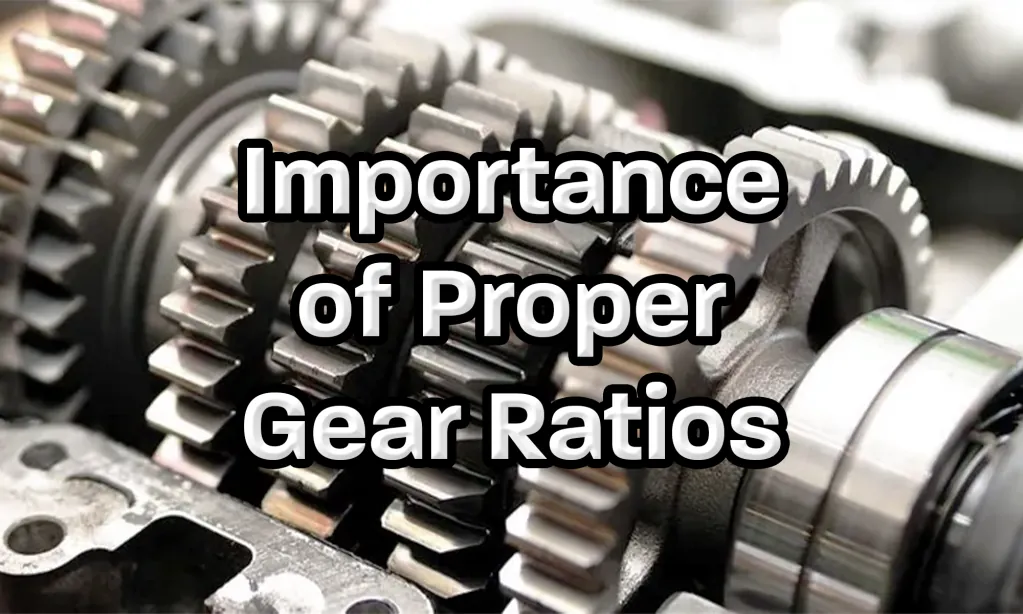
For decades‚ the concept of a multi-speed transmission has been fundamental to vehicular design‚ allowing engines to operate within their optimal power bands across a vast spectrum of speeds. High gear‚ typically the highest available ratio in your transmission‚ is the mechanical equivalent of an athlete settling into a steady‚ powerful stride during a marathon. It’s a state where the engine spins at significantly lower revolutions per minute (RPM) for a given road speed‚ dramatically reducing internal friction‚ conserving precious fuel‚ and ultimately extending the lifespan of vital engine components. This judicious application of mechanical advantage profoundly impacts vehicular efficiency‚ transforming the mundane commute into an exercise in intelligent engineering.
| Aspect | Description |
|---|---|
| What is High Gear? | A higher gear ratio in a vehicle’s transmission‚ designed for sustained speed‚ lower engine RPMs‚ and improved fuel efficiency. |
| Primary Benefit | Significantly enhances fuel economy by allowing the engine to operate at lower revolutions per minute (RPM) for a given road speed. |
| Optimal Use Cases | Primarily utilized during highway cruising‚ long-distance travel‚ or any scenario requiring sustained moderate to high speeds on relatively flat terrain. |
| Impact on Engine Longevity | Reduces engine wear and tear due to lower operating RPMs‚ leading to a quieter ride and potentially longer engine life. |
| Modern Transmissions | Contemporary vehicles often feature 6-speed‚ 8-speed‚ or even 10-speed automatic transmissions‚ along with Continuously Variable Transmissions (CVTs)‚ all engineered to optimize “high gear” operation. |
| Reference | How Car Works: How the Gears Work |
The economic advantages of consistently engaging high gear are particularly compelling in an era of fluctuating fuel prices and heightened environmental awareness. By keeping engine RPMs low‚ drivers can experience a substantial reduction in fuel consumption‚ translating directly into tangible savings at the pump. This isn’t just hypothetical; industry analyses‚ like those published by the Society of Automotive Engineers‚ repeatedly underscore the critical role of optimized gearing in achieving stringent fuel economy targets. Moreover‚ a lower working RPM dramatically reduces the thermal and mechanical stresses on internal engine components‚ promising a quieter cabin environment and contributing to the engine’s long-term health and reliability. It’s a win-win scenario‚ benefiting both your pocket and the planet.
Modern automotive transmissions‚ whether they are sophisticated multi-speed automatics with eight or even ten forward gears‚ or the increasingly prevalent Continuously Variable Transmissions (CVTs)‚ are meticulously engineered to maximize the benefits of high-gear operation. These advanced systems intelligently select the most appropriate gear ratio‚ often imperceptibly to the driver‚ ensuring the engine remains within its most efficient operating range. For instance‚ a 10-speed automatic can maintain the engine at an incredibly efficient‚ barely-above-idle speed during highway cruising‚ almost effortlessly gliding through the landscape while sipping fuel. This intelligent design represents a significant leap from the simpler three or four-speed transmissions of yesteryear‚ offering unparalleled refinement and economy.
Looking ahead‚ the principles governing high gear will continue to evolve‚ even as the automotive landscape shifts towards electrification. While electric vehicles lack traditional multi-speed gearboxes‚ the concept of optimizing motor RPM for efficiency and performance remains paramount. Engineers are constantly refining single-speed reduction gears and multi-speed EV transmissions to achieve similar benefits—extended range and enhanced power delivery—mirroring the advancements seen in internal combustion engine vehicles. The future promises even more sophisticated integration of powertrain management systems‚ ensuring that whether powered by fossil fuels or electrons‚ vehicles will always strive for that optimal‚ effortless state of high-efficiency cruising.
Ultimately‚ understanding and appreciating the role of high gear is more than just technical knowledge; it’s about recognizing the profound engineering ingenuity embedded in our daily lives. It empowers drivers to make conscious choices that enhance their journey‚ reduce their environmental footprint‚ and safeguard their investment. As we move forward‚ driven by innovation and a collective desire for smarter‚ more sustainable mobility‚ the enduring wisdom of high gear will continue to guide us towards a future of effortless‚ economical‚ and exhilarating driving. Embrace the high gear‚ and truly unlock the road ahead.