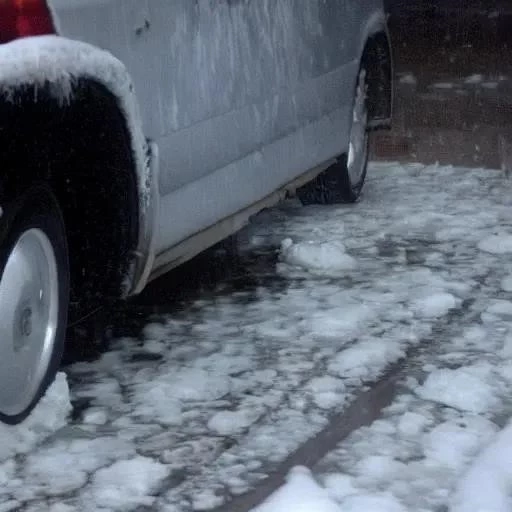
As winter’s icy grip tightens, millions of drivers reach for that trusty can of deicer, a swift solution to frosted windshields and frozen locks․ This seemingly innocuous spray rapidly melts away the stubborn ice, offering a quick escape from chilly mornings and ensuring vital visibility on hazardous roads․ Its convenience is undeniable, a true modern marvel battling nature’s unforgiving elements․ Yet, beneath this reassuring efficiency lies a more complex reality, one that warrants a closer look into its long-term effects on our cherished vehicles․
While deicer undoubtedly offers immediate relief and enhances safety by clearing vision, the very chemical compounds that make it so incredibly effective can, unfortunately, wage a silent war on your car’s delicate components․ Understanding these potential repercussions isn’t about fear-mongering; it’s about empowering car owners with knowledge, allowing for proactive measures and informed choices․ By integrating insights from automotive chemists and seasoned mechanics, we can navigate the frosty season smarter, protecting our investments while staying safe on the wintry asphalt․
| Aspect | Details & Impact | Prevention & Best Practices |
|---|---|---|
| Types of Deicer Chemicals | Commonly contain isopropyl alcohol, ethylene glycol, propylene glycol, and various salts (e․g․, magnesium chloride)․ Each compound aids in lowering the freezing point of water․ | Opt for formulations with propylene glycol, generally considered less corrosive than ethylene glycol․ Avoid excessive use․ |
| Effect on Paint & Clear Coat | Repeated exposure, especially if left to dry, can strip wax, etch clear coats, and dull the finish․ Salts are particularly aggressive․ | Rinse vehicle thoroughly with water after deicer use, especially when temperatures rise above freezing․ Apply protective wax regularly․ |
| Undercarriage & Metal Components | Salts and corrosive chemicals can accelerate rust on exposed metal parts, including brake lines, exhaust systems, and suspension components, compromising structural integrity over time․ | Regular undercarriage washes during winter․ Consider professional rust-proofing or undercoating treatments․ Inspect for rust formation annually․ |
| Rubber & Plastic Seals | Alcohols and glycols can dry out, crack, or degrade rubber and plastic components like window seals, wiper blades, and trim, leading to costly repairs․ | Wipe down affected seals after de-icing․ Apply rubber and plastic conditioners to maintain flexibility and prevent drying․ |
| Wheel & Tire Damage | Corrosive chemicals can pit alloy wheels and degrade tire sidewalls over prolonged exposure, affecting both aesthetics and safety․ | Clean wheels regularly, especially after driving through deicer-treated areas․ Ensure tires are properly inflated and inspected․ |
| Interior & Electrical Systems | While less common, overspray can affect interior surfaces, and residues tracked inside can contribute to corrosion of electrical connections if left unchecked․ | Use deicer outdoors․ Clean vehicle interior regularly․ Avoid spraying directly near electrical components or air intakes․ |
| Alternative De-icing Methods | Warm water (avoid hot water on cold glass), snow brushes, scrapers, and parking in covered areas are effective, non-chemical alternatives․ | Combine methods: scrape off loose ice, then sparingly apply deicer to stubborn spots․ Invest in a good quality scraper and brush․ |
For further general automotive care tips, consider consulting reputable sources like NHTSA’s Winter Driving Tips․
The Silent Corrosion: Understanding the Chemical Attack
At the heart of the debate surrounding deicer lies its chemical composition․ Most commercial deicers rely on a combination of alcohols (like isopropyl alcohol) and glycols (such as ethylene or propylene glycol), often paired with salts like magnesium chloride or calcium chloride․ These compounds are incredibly effective at lowering water’s freezing point, thus melting ice on contact․ However, their very nature presents a challenge․ Automotive expert Dr․ Lena Petrova, a materials scientist specializing in corrosion prevention, explains, “While alcohols evaporate, leaving minimal residue, the persistent salts and glycols can cling to surfaces, creating an electrolyte solution that actively promotes oxidation – essentially, rust․” This process, often accelerated by fluctuating temperatures and humidity, slowly but surely eats away at unprotected metal․
Consider your car’s pristine paintwork, meticulously applied and polished․ Deicer, particularly if left to dry and bake in the sun, can strip away protective wax layers, leaving the clear coat vulnerable to etching and dulling․ This isn’t an overnight disaster but a gradual degradation, akin to constant exposure to harsh detergents․ Furthermore, the car’s underbelly, often out of sight, bears the brunt of this chemical onslaught․ Brake lines, suspension components, and exhaust systems, fabricated from various metals, are prime targets for corrosion․ Industry data from leading automotive detailing companies consistently shows an uptick in rust-related repairs during and after winter seasons, directly correlating with increased deicer usage on roads and personal vehicles․
Safeguarding Your Investment: Proactive Measures and Smart Choices
The good news is that understanding the problem paves the way for remarkably effective solutions․ Rather than abandoning deicer altogether, which would be impractical and potentially unsafe in many situations, the focus shifts to informed usage and diligent aftercare․ “Prevention is paramount,” advises Mark Thompson, a veteran mechanic with over three decades of experience․ “A regular car wash, especially targeting the undercarriage, is your first line of defense against corrosive residues․ Think of it as rinsing off the winter grime that’s actively trying to damage your vehicle․” He recommends at least one thorough wash every two weeks during peak winter, paying special attention to areas where salt and deicer tend to accumulate․
Beyond routine washing, protective measures offer an added layer of resilience․ Applying a high-quality wax or ceramic coating to your car’s exterior before winter provides a sacrificial barrier, shielding the paint from chemical assault․ For the undercarriage, professional rust-proofing treatments can offer long-lasting protection, creating a robust shield against moisture and corrosive agents․ When it comes to deicer application itself, moderation is key․ Use only as much as necessary, and when possible, combine it with traditional ice scrapers to minimize chemical exposure․ By adopting these forward-thinking strategies, car owners can confidently navigate the winter months, preserving their vehicles’ longevity and maintaining their aesthetic appeal for years to come․