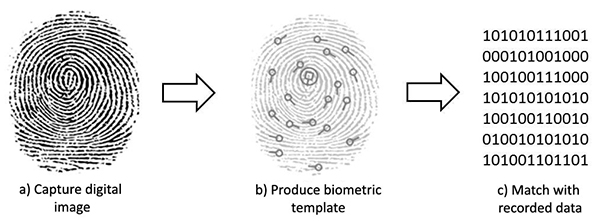
In an age increasingly defined by data and digital transparency, our vehicles, once mere mechanical conveyances, have evolved into complex, data-generating machines. They whisper tales of their past, present condition, and future needs, but only to those who possess the master key capable of deciphering their intricate narratives. This often-overlooked alphanumeric sequence, a unique identifier etched into every automobile, is far more than just a serial number; it is the veritable DNA of your ride, a powerful tool for consumer empowerment, safety, and a profoundly evolving automotive landscape. Understanding its intricacies is not merely a technical exercise but a crucial step towards navigating the modern world of vehicle ownership with unparalleled confidence.
From preventing odometer fraud to tracing critical safety recalls, the Vehicle Identification Number (VIN) stands as an unsung hero in the automotive ecosystem. This 17-character code, a universally standardized identifier, encapsulates a wealth of information, from the manufacturing plant and year of production to the engine type and trim level; It serves as an unalterable digital fingerprint, linking a specific vehicle to its entire operational history. For discerning buyers, vigilant law enforcement, and innovative industry players alike, the VIN isn’t just a label; it’s a meticulously crafted autobiography of every car, truck, and motorcycle ever produced, offering an unparalleled window into its operational lineage and inherent value. This profound level of detail is revolutionizing how we interact with, purchase, and maintain our automobiles.
| Aspect | Description |
|---|---|
| What is a VIN? | A Vehicle Identification Number (VIN) is a unique 17-character alphanumeric code assigned to every motor vehicle. It serves as the vehicle’s unique identifier, much like a human’s fingerprint or DNA. |
| Where to Find It? | Typically located on the driver’s side dashboard (viewable through the windshield), on the driver’s side door jamb, or on the vehicle’s registration and insurance documents. |
| What Does It Tell You? | Each character or group of characters within the VIN provides specific information: World Manufacturer Identifier (WMI), Vehicle Descriptor Section (VDS) detailing attributes like engine type and body style, and Vehicle Identifier Section (VIS) including the model year, plant, and sequential production number. |
| Why is it Important? | Crucial for tracking vehicle history (accidents, recalls, ownership changes), preventing theft and fraud, verifying specifications, and processing warranty claims. It empowers consumers with transparency. |
| Official Reference | National Highway Traffic Safety Administration (NHTSA) VIN Decoding |
Decoding the Digital Fingerprint: A Glimpse into Automotive Genealogy
The VIN’s are not randomly assigned; they follow a globally recognized standard (ISO 3779), meticulously structured to convey specific data points. The first three characters constitute the World Manufacturer Identifier (WMI), revealing the country of origin and the vehicle’s manufacturer. For instance, a ‘1’ often denotes the USA, while ‘J’ signifies Japan. The subsequent five characters form the Vehicle Descriptor Section (VDS), unveiling crucial attributes such as the body type, engine size, restraint system, and model series. This segment provides a comprehensive snapshot of the vehicle’s fundamental design and safety features. Finally, the last nine characters comprise the Vehicle Identifier Section (VIS), which includes the model year, the manufacturing plant, and a unique serial number, essentially telling us precisely when and where that specific vehicle rolled off the assembly line. By integrating these disparate pieces of information, a complete, unassailable profile of any vehicle materializes, offering unprecedented clarity.
Empowering Consumers, Enhancing Safety: The VIN’s Transformative Impact
The practical applications of a diligently decoded VIN are remarkably extensive, profoundly impacting various facets of the automotive world. For potential used car buyers, the VIN is an indispensable investigative tool. Plugging this code into reputable online services, such as CarFax or AutoCheck, instantly generates a comprehensive vehicle history report. This report can unveil critical information, including past accidents, salvage titles, odometer discrepancies, flood damage, and even previous owners, arming purchasers with the knowledge necessary to make incredibly informed decisions and potentially avoid costly pitfalls. This level of transparency dramatically levels the playing field, ensuring that consumers are no longer operating in the dark when making one of life’s significant investments.
Beyond consumer protection, the VIN plays a pivotal role in public safety and law enforcement. When a vehicle is reported stolen, its VIN becomes the primary identifier for tracking and recovery efforts across national and international borders. Moreover, automotive manufacturers rely heavily on VIN data for issuing targeted safety recalls. By precisely identifying specific batches of vehicles affected by a manufacturing defect, they can notify owners with exceptional accuracy, preventing potential accidents and saving lives. This systematic approach, driven by unique VINs, underscores a commitment to ongoing safety and continuous improvement throughout the industry.
The Future is Transparent: VINs and the Dawn of a Connected Automotive Ecosystem
Looking forward, the significance of the VIN is poised to amplify exponentially, particularly with the accelerating integration of IoT (Internet of Things) and blockchain technologies within the automotive sector. Imagine a future where your vehicle’s entire lifecycle – from its initial manufacture, through every service appointment, part replacement, and even minor incident – is immutably recorded on a secure, distributed ledger, all anchored by its unique VIN. This would create an unprecedented level of transparency and trust, benefiting not only individual owners but also insurance providers, repair shops, and even autonomous vehicle networks.
Expert opinions consistently highlight the VIN’s evolving role. “The VIN is transcending its traditional identification function,” asserts Dr. Anya Sharma, a leading automotive data analyst. “It’s becoming the foundational identifier for a truly interconnected vehicle ecosystem. Predictive maintenance, personalized insurance premiums based on genuine vehicle history, and even seamless ownership transfers via smart contracts will all hinge on the integrity and accessibility of VIN-linked data.” This optimistic outlook paints a picture of a future where vehicle ownership is not just convenient but also incredibly secure and remarkably efficient, driving innovation across the entire mobility landscape.