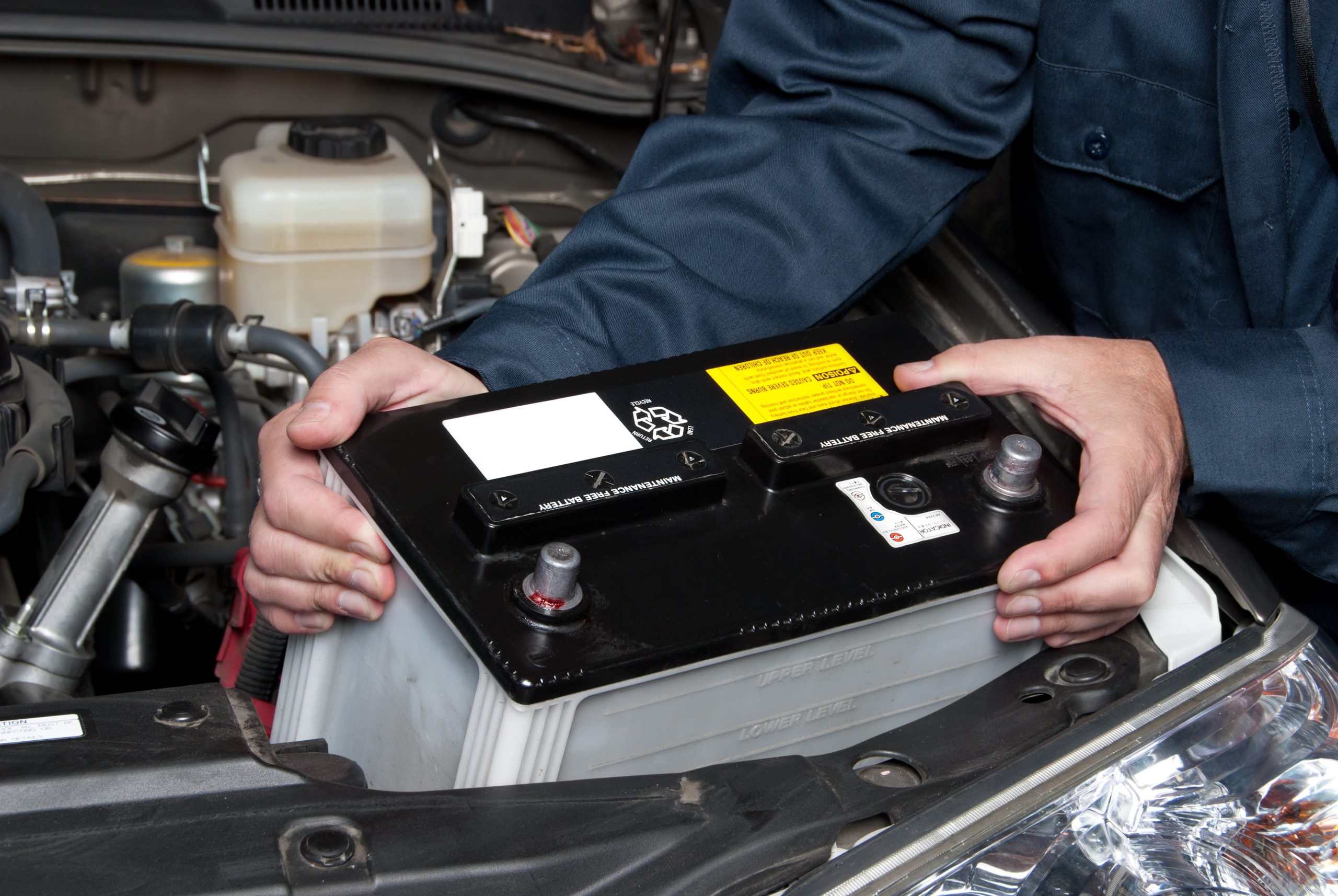
In the symphony of modern life‚ the automobile remains a crucial instrument‚ ferrying us to work‚ adventures‚ and cherished moments. Yet‚ at the very core of this magnificent machine lies an often-overlooked hero: the car battery. This humble power source‚ silently enabling every ignition and electrical function‚ holds the key to your vehicle’s reliability and your peace of mind. Failing to anticipate its eventual decline can transform a routine commute into an unexpected roadside ordeal‚ highlighting the critical importance of understanding its true lifespan and embracing proactive maintenance.
The conventional wisdom about battery replacement often feels like a guessing game‚ leaving many drivers perpetually wondering when their vehicle might unexpectedly refuse to start. However‚ by integrating insights from advanced diagnostics and understanding environmental factors‚ we can move beyond mere speculation towards a future of predictable‚ worry-free driving. This article delves deeply into the science behind your car battery’s longevity‚ offering expert opinions and industry examples to empower you with the knowledge needed to make informed decisions‚ ensuring your journeys remain smooth and your automotive experiences are always forward-moving.
Understanding your car battery’s journey is crucial for proactive maintenance and avoiding unexpected breakdowns. The following table provides key data and insights into its lifespan and care:
| Category | Key Information |
|---|---|
| Average Lifespan | Generally 3 to 5 years‚ but this can significantly vary based on numerous factors. Modern battery technology aims for greater resilience; |
| Primary Factors Influencing Life |
|
| Common Warning Signs |
|
| Proactive Maintenance Tips |
|
| Recommended Replacement Timing | Consider proactive replacement around the 3-4 year mark‚ particularly before the onset of extreme weather‚ or if any warning signs begin to manifest. It’s an investment in reliability. |
| Official Reference | AAA ⎻ Car Battery Care and Replacement |
The Unseen Forces Shaping Your Battery’s Destiny
While a general guideline of three to five years for a battery’s lifespan is widely accepted‚ this number is profoundly influenced by a confluence of environmental and operational factors. Imagine your car battery as a marathon runner; its performance isn’t just about its initial strength but also the conditions it endures. Extreme temperatures‚ for instance‚ are arguably the most formidable adversaries. Sweltering summer heat accelerates the internal chemical reactions‚ corroding battery plates and evaporating crucial electrolytes‚ leading to premature failure. Conversely‚ frigid winter mornings demand immensely more power to crank a cold engine‚ stressing an already weakened battery to its breaking point. “Heat is the silent killer of car batteries‚” explains Dr. Elena Petrova‚ a leading electrochemical engineer at Battery Innovations Corp. “Many batteries fail in winter because the damage was already done in the summer months‚ leaving them vulnerable.”
Beyond the mercury‚ your driving habits play an equally significant role. Vehicles predominantly used for short‚ stop-and-go city commutes often suffer from undercharged batteries. The alternator‚ responsible for recharging the battery‚ simply doesn’t have sufficient time to replenish the energy expended during startup‚ leading to a state of chronic discharge. This persistent undercharging promotes sulfation‚ a process where lead sulfate crystals build up on the battery plates‚ irreversibly reducing the battery’s capacity and ability to hold a charge. Conversely‚ a vehicle regularly driven for longer distances benefits from a fully charged battery‚ optimizing its internal chemistry and extending its operational life considerably. By understanding these intricate dynamics‚ drivers can actively influence their battery’s longevity‚ shifting from passive consumers to informed stewards of their vehicle’s power source.
Decoding the Warning Signs and Embracing Proactive Measures
Anticipating battery failure isn’t about clairvoyance; it’s about astute observation and timely action. The car‚ in its own mechanical language‚ often whispers warnings long before it shouts. A slow‚ sluggish engine crank that sounds like the vehicle is struggling to wake up is an incredibly effective early indicator. Dimming headlights or interior lights‚ particularly noticeable when attempting to start the engine‚ similarly signal a weakening power supply. Furthermore‚ an illuminated battery warning light on your dashboard is a clear‚ unmistakable call to action‚ demanding immediate investigation. Ignoring these vital cues is akin to disregarding a flashing “low fuel” light – an invitation for inevitable trouble.
Forward-thinking car owners are increasingly adopting a proactive stance‚ moving beyond reactive repairs to preventative maintenance. This involves simple yet remarkably effective practices: regularly cleaning battery terminals to prevent corrosive buildup‚ ensuring the battery is securely mounted to mitigate vibration-induced damage‚ and periodically testing its voltage with a multimeter. Many automotive service centers‚ recognizing the paramount importance of battery health‚ now offer complimentary battery checks‚ providing invaluable data on its remaining capacity and cold-cranking amps. “A quick battery health check can save you hundreds in towing fees and untold hours of frustration‚” advises Mark Jenkins‚ a seasoned mechanic with over 30 years of industry experience. “It’s a small investment of time for immense peace of mind.” By strategically maintaining your battery‚ you’re not just avoiding breakdowns; you’re safeguarding your schedule and enhancing your overall driving experience.
The Future of Automotive Power: Beyond Conventional Wisdom
The automotive landscape is dynamically evolving‚ and with it‚ the future of car batteries. Innovations in battery technology‚ from advanced lead-acid designs to burgeoning lithium-ion applications in hybrid and electric vehicles‚ promise greater longevity‚ efficiency‚ and reliability. These advancements are not merely incremental; they represent a significant leap forward‚ offering drivers unprecedented power management capabilities. The trend is clearly moving towards “smart” batteries that can communicate their health status directly to the vehicle’s onboard computer‚ even predicting potential failure before any symptoms manifest. Imagine a future where your car proactively alerts you‚ perhaps via a smartphone app‚ that your battery needs attention weeks in advance‚ allowing for a convenient‚ scheduled replacement.
This optimistic outlook underscores a fundamental shift in how we perceive vehicle maintenance. It’s no longer just about fixing what’s broken‚ but about intelligently managing and optimizing every component for peak performance and extended life. By embracing this forward-looking perspective and leveraging the ever-growing insights available‚ drivers can confidently navigate the roads ahead‚ assured that their vehicle’s heart – its battery – is operating at its best. The question is no longer merely “how often to change battery in car‚” but rather‚ “how can we empower ourselves to ensure our car batteries provide unwavering‚ reliable power for every journey?” The answer lies in knowledge‚ proactive care‚ and an enthusiastic embrace of the technological advancements propelling us towards an era of truly uninterrupted driving. Powering tomorrow‚ one smart battery decision at a time.