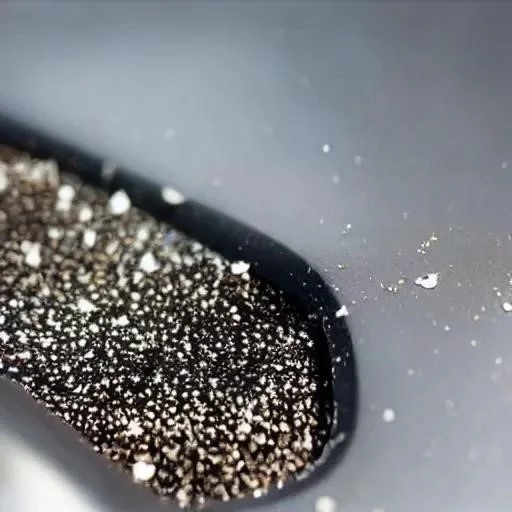
Ah, the dreaded white splat. Few things evoke a car owner’s immediate dread quite like discovering a fresh dollop of bird droppings adorning their meticulously maintained vehicle. Far from being a mere aesthetic inconvenience, these seemingly innocuous deposits represent a genuine threat to your car’s paintwork, capable of inflicting permanent damage if not addressed swiftly and correctly. But fear not, for the era of helpless resignation to avian attacks is over. A new dawn of sophisticated car care techniques promises not just effective removal, but also robust protection, ensuring your vehicle retains its showroom gleam despite nature’s occasional assaults.
Indeed, the challenge posed by bird droppings extends far beyond surface grime. Their highly acidic composition, often exacerbated by the gritty remnants of seeds and insects, can rapidly etch into a car’s clear coat, leaving behind irreversible damage that diminishes both aesthetics and resale value—a truly disheartening prospect for any car enthusiast. Ignoring these unwelcome gifts, even for a short period, particularly under the harsh glare of direct sunlight, significantly compounds the risk. Fortunately, armed with the right knowledge and tools, maintaining a pristine finish is not only achievable but remarkably straightforward, transforming a potential automotive nightmare into a manageable, minor setback.
Key Considerations for Pristine Car Care
| Aspect | Description |
|---|---|
| The Threat of Acidity | Bird droppings contain uric acid, a potent corrosive agent that quickly eats into a car’s clear coat, causing permanent etching and dulling the paint. The longer it sits, especially in heat, the worse the damage becomes. |
| Physical Abrasives | Often, droppings are laden with small seeds, grit, or insect exoskeletons. Attempting to wipe these away dry can scratch the paint surface, creating micro-marring and compounding the initial chemical damage. |
| Heat Amplification | Direct sunlight and elevated temperatures significantly accelerate the chemical reaction between the uric acid and your car’s paint. This rapid bonding makes removal more challenging and increases the likelihood of irreversible damage. |
| Incorrect Cleaning Methods | Using harsh household cleaners, abrasive sponges, or simply wiping with a dry cloth are common mistakes. These methods often cause more harm than good, leading to swirls, scratches, and accelerated paint degradation. |
| Protective Measures | Regular application of a high-quality wax, sealant, or ceramic coating establishes a crucial sacrificial layer. This barrier not only fends off corrosive elements but also renders future cleaning tasks significantly easier and much safer for your vehicle’s finish. |
The secret to effective bird dropping removal lies in a two-pronged approach: immediate action and gentle, informed technique. Leading automotive detailing experts universally advise against dry wiping, which, as previously noted, risks embedding abrasive particles into the paint. Instead, the first crucial step involves softening the deposit. Many innovative products are now available, from specialized bird dropping removers in convenient spray bottles to quick detailers designed for safe spot cleaning. Even a simple solution of warm water and a few drops of pH-neutral car wash soap, gently applied with a saturated microfiber towel, can work wonders, effectively loosening the acidic bond without harming the clear coat.
Once sufficiently softened—a process typically taking 5-10 minutes, allowing the product to penetrate—the removal itself must be executed with utmost care. Rather than scrubbing, which can create micro-scratches, the technique involves gently lifting the softened mass away using a clean, plush microfiber towel. Lay the wet towel over the droppings, allowing gravity and saturation to do the work. Then, with minimal pressure, carefully fold the towel and lift, repeating with a fresh section of the cloth if necessary. This method minimizes physical contact with any abrasive elements, safeguarding your paint’s integrity. After the bulk is removed, a quick spritz of a detailer spray and a final, light buff with another clean microfiber cloth will eliminate any residue, restoring the area to its original brilliance.
Looking forward, the ultimate defense against future avian assaults isn’t just about cleaning; it’s about proactive protection. Investing in a high-quality car wax, a durable paint sealant, or even a cutting-edge ceramic coating creates a robust, hydrophobic barrier over your car’s paintwork. These advanced treatments not only provide an incredibly resilient shield against environmental contaminants, including acidic bird droppings, but also make subsequent cleaning efforts astonishingly simple. The slick surface repels grime, allowing droppings to sit on the protective layer rather than directly on the clear coat, vastly reducing the risk of etching and making them significantly easier to wipe away safely.
Industry leaders, such as Simoniz and Meguiar’s, are continually innovating, offering products specifically engineered to enhance paint longevity and resilience. By integrating these protective measures into your regular car care routine, you’re not just cleaning; you’re investing in the long-term health and aesthetic appeal of your vehicle. Imagine driving with confidence, knowing that your car’s finish is not only sparkling clean but also fortified against the unexpected challenges of daily life. This forward-thinking approach transforms car ownership from a chore into a rewarding experience, allowing you to fully enjoy the beauty and value of your automobile for years to come.